

English
- English
- Русский
TENGYU DYNAMIC
Specializing in silicone adhesive and sealant research and development, production, sales in one of the national high-tech enterprises

Frequently Asked Silicone Sealants & Caulking Questions
2023-03-11 15:20:28
Click:
“
Frequently Asked Silicone Sealants & Caulking QuestionsWhat is the Difference Be
”
Frequently Asked Silicone Sealants & Caulking Questions

- What is the Difference Between Acetoxy Silicone and Neutral Cure Silicone?
The release of acetic acid by the acetoxy silicone sealant causes this silicone to have a strong smell compared to neutral cure silicones. Furthermore, this acetic acid can cause some adverse effects on delicate electronic components. In addition, acetic acid can be corrosive to certain substrates and metals. Therefore, the most common applications of acetic silicone include windows and door frames, kitchen backsplashes, countertop sealing, bathrooms, and bathtubs.
Neutral cure silicone is a type of sealant that can release alcohol during the curing process. It is unique that some of these sealants can release methyl ethyl ketoxime, whereas others release acetone during curing.
The uses of neutral cure silicone include roofing, industrial gaskets, HVAC, compressor pumps, and refrigeration. Usually, this type of silicone is ideal for delicate surfaces. However, when using it for heavy-duty sealant jobs, we can use hybrid adhesives in combination with the neutral cure silicone to enhance the sealing capability.
- Can I apply new silicone on old silicone?
For the best adhesion, we recommend removing the old silicone. New silicone will bond to old silicone, but the bond is not as strong as if it adheres to a clean surface. If you choose to apply over old silicone, the warranty is void.
- How do I remove silicone sealant?
1) Uncured Silicone Sealant
Remove (scrape, wipe, dig out, etc.) the uncured sealant and then scrub the area down with isopropyl alcohol (IPA) to remove any remaining oily residue.
2) Cured Silicone Sealant
For ceramic tile, marble, fiberglass, etc., use 100 percent mineral spirits (turpentine) and a non-abrasive scouring pad. Test the mineral spirits on a hidden area of the surface to ensure that discoloration will not occur. If discoloration does occur, contact the manufacturer of the surface for further assistance.
For glass surfaces, carefully use a razor blade within a holder to remove as much as possible, then apply mineral spirits. Remove excess with a towel or other suitable cleaning utensil that will not mark the surface (such as a nonabrasive pad).
For surfaces that are hard plastics or painted, use rubbing alcohol and a soft cloth. Do not use mineral spirits. Only use these solvents in a well-ventilated area and follow all safety precautions and instructions listed on the product label. When solvents are used, proper safety precautions must be observed.
To remove sealant from a porous/rough surface (concrete, brick, wallpaper), remove as much of the sealant as possible (same as smooth surface). If necessary, use a wire brush in conjunction with mineral spirits.
NOTE: We do not recommend the use of a wire brush to remove sealant from wood surfaces, as doing so could damage the wood. Also, mineral spirits should not be used if the wood has any type of finish on it. Test solvent on a hidden area before applying.
Tengyu Chemical recommends the Premium 100%Silicone Sealant. It's made from 100% silicone and comes in a tube that fits nicely into any caulking gun.Before you begin your next project, check out our selection of high-quality silicone products today!
Related Articles
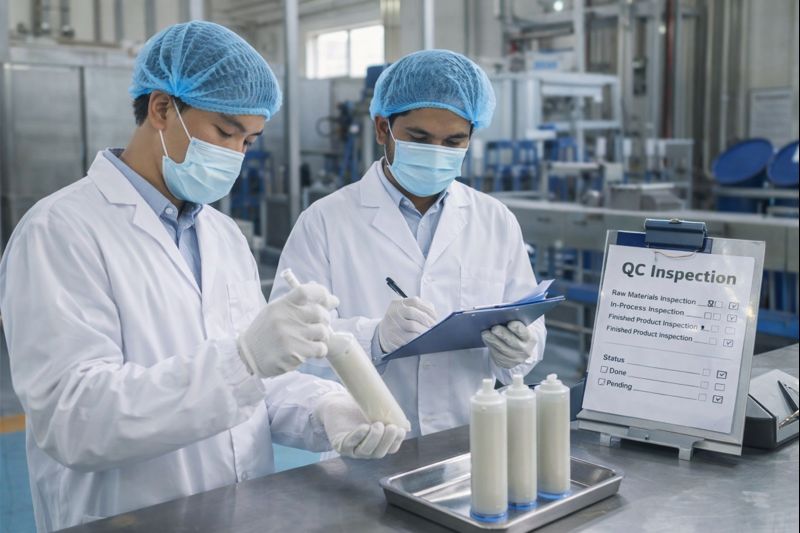
Quality Control in Sealant & Waterproof Coating Manufacturing | From Raw Materials to Finished Products
What Is No More Nails? No More Nails vs Silicone Sealant Explained
Silicone Sealant Yellowing: How to Avoid Discoloration in Clear Caulk
What Is No More Nails? Uses, Strength & How to Apply It
Floor Adhesives: A Comparative Guide to Acrylic, MS, and Polyurethane
You May Also Like
-
top Reco Quality Control in Sealant & Waterproof Coating Ma...

-
top Reco What Is No More Nails? No More Nails vs Silicone S...
nail free glue 
-
top Reco Silicone Sealant Yellowing: How to Avoid Discolora...
silicone sealant 
-
top Reco Which sealant is more mold resistant polyurethane ...
silicone sealant acrylic sealant pu sealant 
-
MS Polymer Wood Flooring Adhesive: Product Selecti...

-
Polyurethane waterproof concrete sealant Types: 1K...
construction materials Polyurethane sealant Factory & Manufacturer 
 Tina
Tina Tina
Tina
