

English
- English
- Русский
TENGYU DYNAMIC
Specializing in silicone adhesive and sealant research and development, production, sales in one of the national high-tech enterprises

Advantages and Disadvantages of Acrylic Caulk
2023-08-01 14:05:22
Click:
“
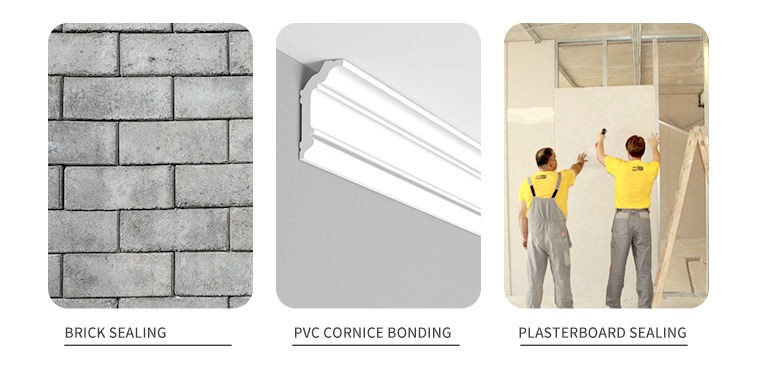
Acrylic sealant and acrylic caulk can be used for a number of different DIY projects. Since it is odourless and easily paintable, acrylic sealant is most commonly used to seal household joints, such as stairs, skirting boards and floorboards. It is also compatible with many materials including glass, metal and ceramic.
”
Acrylic sealant and acrylic caulk can be used for a number of different DIY projects. Since it is odourless and easily paintable, acrylic sealant is most commonly used to seal household joints, such as stairs, skirting boards and floorboards. It is also compatible with many materials including glass, metal and ceramic.
ACRYLIC SEALANT: HOW TO APPLY IT
Clean. To guarantee the best seal, ensure the area and surfaces you are working with are clean and clear of any foreign objects, such as dust or debris.
Prepare. Make sure the indoor area you are working in is as well-ventilated as possible, and use gloves while applying the acrylic sealant.
Prime. Most acrylic sealants come with an applicator nozzle, which you attach to the main tube after removing the cap and inner seal. Establish the bead size you wish to apply and cut the top of the nozzle to match that measurement.
Apply. Load your acrylic sealant product into a caulk gun and squeeze the trigger gently to apply a consistent bead into to joint or gap you are working with.
Profile. Before the bead has dried, use a smoothing tool like the UniBond Sealant Finishing Tool to smooth it over and force it into the joint or gap to form the best seal possible. This will also remove any excess sealant, which can be scraped off in stages while smoothing the bead over.
Dry. Once the bead is smooth and in place in the joint or gap, leave to dry as per the instructions on your acrylic sealant product.

Disadvantages of Acrylic Sealant
Not as Flexible as Silicone: Acrylic sealant is not as flexible as silicone sealant. It may crack or shrink over time, especially when exposed to extreme temperatures and weather conditions.
Prone to Cracking and Shrinking: It is prone to cracking and shrinking over time. Cracking is worse when exposed to sunlight and severe weather conditions.
Not Ideal for Wet Areas: Acrylic sealant is not water-resistant, which means it should not be used in wet areas.
Prev : What's the silicone sealant?
Next : Are Polyurethane Sealants The Best Choice for Concrete Joint Sealing?
Related Articles
Quality Control in Sealant & Waterproof Coating Manufacturing | From Raw Materials to Finished Products
What Is No More Nails? No More Nails vs Silicone Sealant Explained
Silicone Sealant Yellowing: How to Avoid Discoloration in Clear Caulk
What Is No More Nails? Uses, Strength & How to Apply It
Floor Adhesives: A Comparative Guide to Acrylic, MS, and Polyurethane
You May Also Like
-
top Reco Quality Control in Sealant & Waterproof Coating Ma...

-
top Reco What Is No More Nails? No More Nails vs Silicone S...
nail free glue 
-
top Reco Silicone Sealant Yellowing: How to Avoid Discolora...
silicone sealant 
-
top Reco Which sealant is more mold resistant polyurethane ...
silicone sealant acrylic sealant pu sealant 
-
MS Polymer Wood Flooring Adhesive: Product Selecti...

-
Polyurethane waterproof concrete sealant Types: 1K...
construction materials Polyurethane sealant Factory & Manufacturer 

 Tina
Tina Tina
Tina
