

English
- English
- Русский
TENGYU DYNAMIC
Specializing in silicone adhesive and sealant research and development, production, sales in one of the national high-tech enterprises

How to Choose a Right Sealant for Your Home Improvement Project?
2025-07-09 00:00:00
Click:
“
Sealants are essential materials used to fill gaps, prevent leaks, and protect surfaces from environmental damage. Whether you're working on a home improvement project, automotive repair, or industrial application, selecting the right sealant is crucial for achieving a durable and effective result. With so many types of sealants available on the market, making the right choice can be overwhelming.
”
1. Understand the Purpose of the Sealant
The first step in choosing a sealant is to identify its intended purpose. Sealants serve various functions, such as waterproofing, bonding, insulating, or filling gaps.
2. Consider the Surface Material
Sealants are formulated to adhere to specific materials, so it’s important to consider the surface you’ll be working on. Common materials in home improvement projects include wood, metal, glass, concrete, and plastic. Not all sealants bond equally well to every surface.
3. Evaluate Environmental Conditions
The environment where the sealant will be applied plays a significant role in its performance. Consider factors such as temperature, humidity, and exposure to sunlight or chemicals.
4. Assess Flexibility and Movement
Joints and gaps in a home are often subject to movement due to temperature changes, settling, or vibrations. Choosing a sealant with the right level of flexibility is essential to prevent cracking or breaking over time.
5. Consider Ease of Application and Cleanup
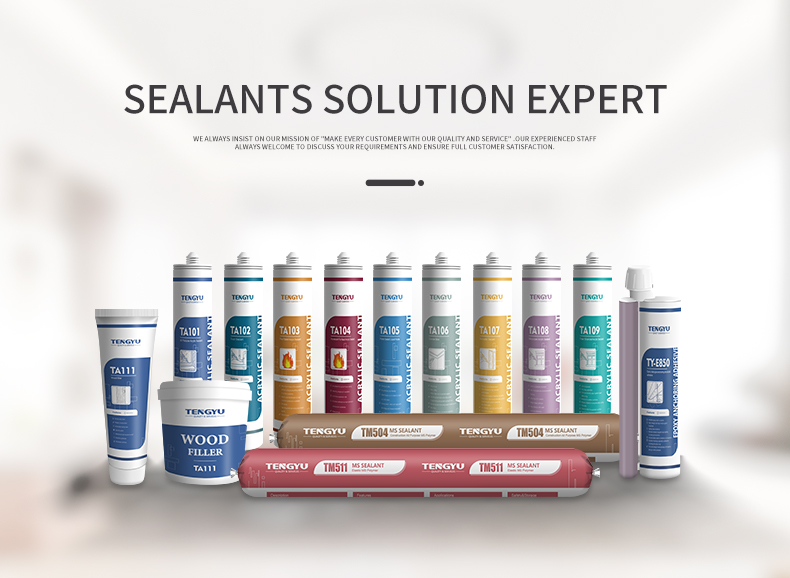
Some sealants are easier to apply and clean up than others, which can be a deciding factor, especially for DIY enthusiasts. Silicone sealants, for instance, are user-friendly and can be smoothed with a finger or tool, but they are harder to clean up if mistakes are made. Acrylic sealants, on the other hand, are often water-based, making them easier to clean with soap and water before they cure.
6. Think About Aesthetics
If the sealant will be visible, its appearance matters. Sealants come in various colors, such as clear, white, gray, or black, to match or blend with the surrounding materials. Some sealants are also paintable, which allows for further customization. Acrylic sealants are typically paintable, while silicone sealants are not.
7. Check for Safety and Environmental Impact
Finally, consider the safety and environmental impact of the sealant. Some products emit strong odors or volatile organic compounds (VOCs) during application, which can be harmful in poorly ventilated areas. Look for low-VOC or odorless sealants if you’re working indoors or are sensitive to chemical fumes. Additionally, ensure the sealant is non-toxic if it will be used in areas where food is prepared or stored.
Prev : Why High Tack MS Polymer is Leading the Way?
Next : Why MS Glue for Wood Floor Fitting is the Professional's Choice?
Related Articles
Quality Control in Sealant & Waterproof Coating Manufacturing | From Raw Materials to Finished Products
What Is No More Nails? No More Nails vs Silicone Sealant Explained
Silicone Sealant Yellowing: How to Avoid Discoloration in Clear Caulk
What Is No More Nails? Uses, Strength & How to Apply It
Floor Adhesives: A Comparative Guide to Acrylic, MS, and Polyurethane
You May Also Like
-
top Reco Quality Control in Sealant & Waterproof Coating Ma...

-
top Reco What Is No More Nails? No More Nails vs Silicone S...
nail free glue 
-
top Reco Silicone Sealant Yellowing: How to Avoid Discolora...
silicone sealant 
-
top Reco Which sealant is more mold resistant polyurethane ...
silicone sealant acrylic sealant pu sealant 
-
MS Polymer Wood Flooring Adhesive: Product Selecti...

-
Polyurethane waterproof concrete sealant Types: 1K...
construction materials Polyurethane sealant Factory & Manufacturer 

 Tina
Tina Tina
Tina
