

English
- English
- Русский
TENGYU DYNAMIC
Specializing in silicone adhesive and sealant research and development, production, sales in one of the national high-tech enterprises

How do I choose a suitable alternative for silicone sealant?
2023-05-26 10:54:27
Click:
“
How do I choose a suitable alternative for silicone sealant?
”
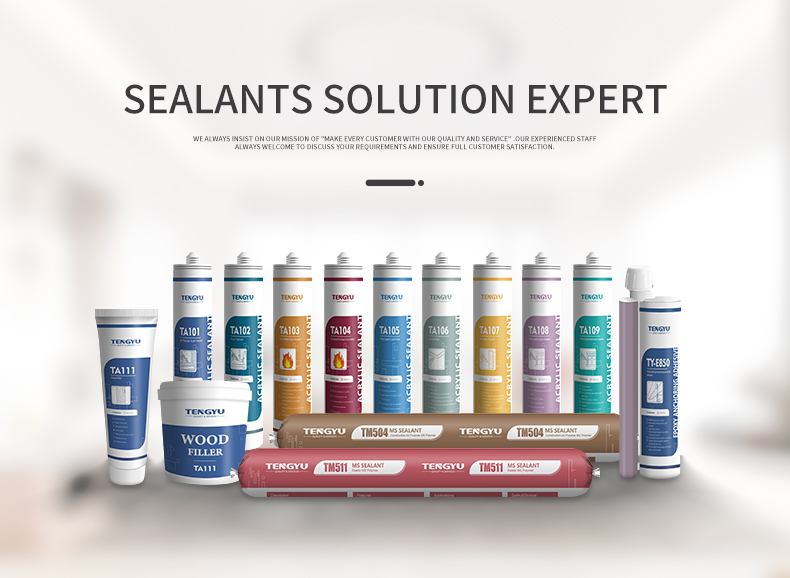
How do I choose a suitable alternative for silicone sealant?
It is important to ask the following questions before deciding to substitute a silicone sealant:
- Will it be applied for structural glazing?
- Will the alternative sealant need to be weather / UV exposed?
- What is the expected movement capacity required?
- Will the finishing be covered or not?
How do I repair a failed silicone sealant joint without silicone availability?
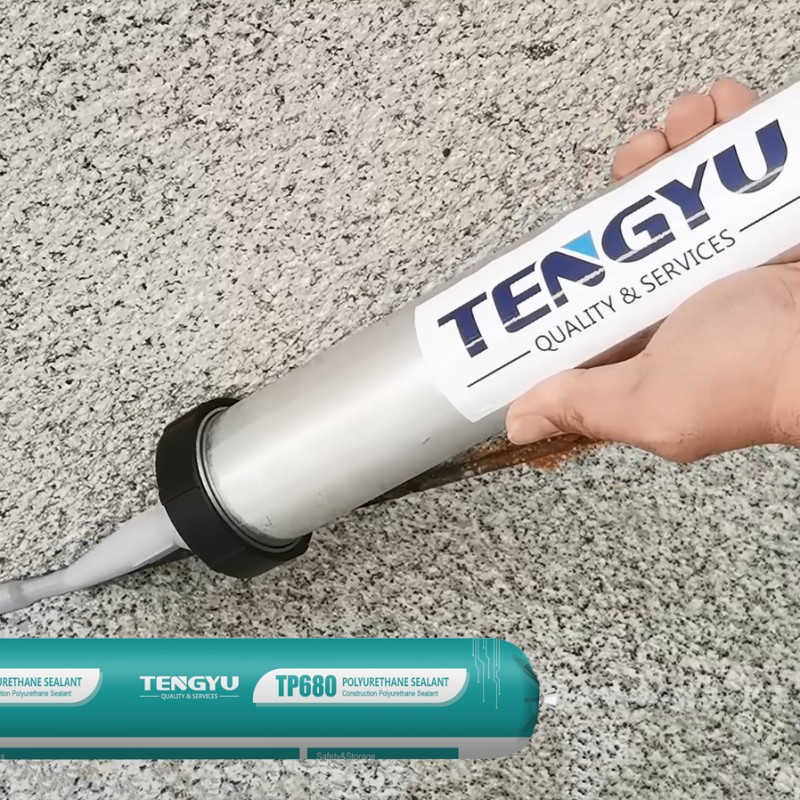
There are a couple of ways to repair a failed silicone sealant joint with polyurethane technology. However, since polyurethanes will not develop adhesion to cured silicones, the existing silicone sealant would need to be fully removed. If the joint is located within a porous substrate, this substrate will likely need some mechanical abrasion to remove as much of the existing sealant as possible. If the sealant joint is located in a non-porous substrate, the sealant should be cut out as close as possible to the bond line. Sanding with a fine grit sandpaper may be needed to remove any silicone that is left within the joint.
When applying the new polyurethane sealant joint, it is recommended that the polyurethane extend ¼ inch onto the substrate on either side of the joint. This will ensure the material is bonding to fresh substrate.
Related Articles
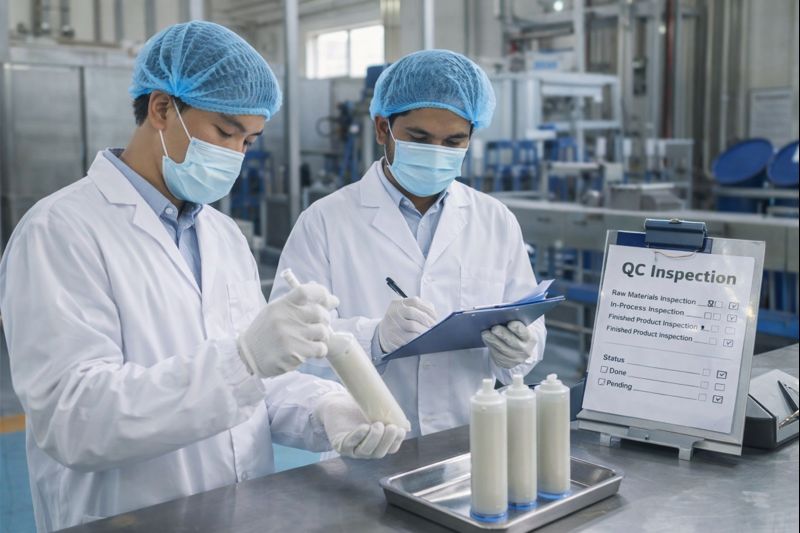
Quality Control in Sealant & Waterproof Coating Manufacturing | From Raw Materials to Finished Products
What Is No More Nails? No More Nails vs Silicone Sealant Explained
Silicone Sealant Yellowing: How to Avoid Discoloration in Clear Caulk
What Is No More Nails? Uses, Strength & How to Apply It
Floor Adhesives: A Comparative Guide to Acrylic, MS, and Polyurethane
You May Also Like
-
top Reco Quality Control in Sealant & Waterproof Coating Ma...

-
top Reco What Is No More Nails? No More Nails vs Silicone S...
nail free glue 
-
top Reco Silicone Sealant Yellowing: How to Avoid Discolora...
silicone sealant 
-
top Reco Which sealant is more mold resistant polyurethane ...
silicone sealant acrylic sealant pu sealant 
-
MS Polymer Wood Flooring Adhesive: Product Selecti...

-
Polyurethane waterproof concrete sealant Types: 1K...
construction materials Polyurethane sealant Factory & Manufacturer 
 Tina
Tina Tina
Tina
