

English
- English
- Русский
TENGYU DYNAMIC
Specializing in silicone adhesive and sealant research and development, production, sales in one of the national high-tech enterprises

How to choose kitchen and bathroom sealant?
2023-11-22 09:32:57
Click:
“
When many people are closing in on a house, they will look up various house clos
”
When many people are closing in on a house, they will look up various house closing strategies and even ask professional house closing agents for help. The kitchen and bathroom in a newly renovated house are the most complete and are the key inspection areas when everyone moves in. In most cases, the small material sealant is ignored. However, in the later period, the inconspicuous sealant for kitchen and bathroom appeared and attracted much attention. Two problems that bother people: mold and cracking.
When closing the house, the sealant looks very beautiful, so how do these two problems occur? And how to avoid them?
The first problem: moldy sealant is caused by mold growth on the surface of the sealant.
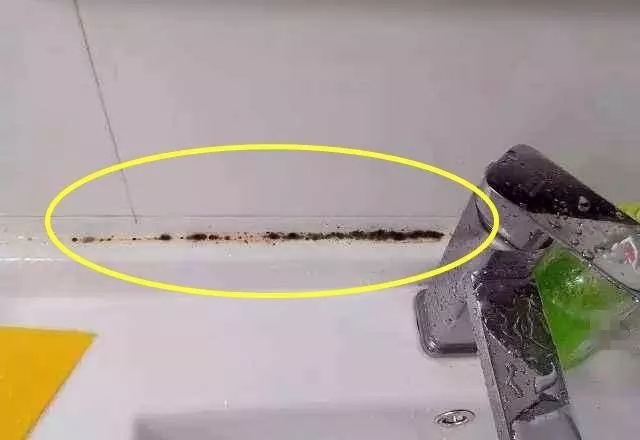
After the sealant is used for a period of time, dirt will accumulate on the surface, and the dirt is rich in organic matter; and places such as kitchens and bathrooms are always moist, which can easily breed microorganisms. Ordinary sealants do not have bactericidal and antibacterial ingredients. After being used for a period of time, mold can easily grow on the surface and even penetrate into the interior of the sealant, making it difficult to remove.
The most intuitive feeling of moldy sealant is that the appearance of the sealant is unsightly and affects the home experience. This is contrary to people's pursuit of high-quality interior decoration today. In addition, mold on the surface of the sealant has certain harm to human health. The allergenic substances released by molds can trigger allergic reactions when inhaled, and ingestion of molds is likely to cause symptoms of poisoning. To prevent the sealant from getting moldy, you need to use a special anti-mold sealant.
The second problem: sealant cracking

Possible reasons are:
1) The elasticity of the sealant decreases;
2) The elasticity of the sealant is low and cannot withstand changes in joint width.
3) The sealant is debonded from the base material.
According to on-site confirmation, the reason for the cracking of the sealant in the picture is: after using oil-filled sealant, the sealant hardened and debonded after a period of time.
Under normal circumstances, the joints of kitchen and bathroom sealants have little deformation, and the displacement of the sealant used is mainly grade 20 and grade 12.5, which can generally meet the application. However, if an oil-filled sealant is used, it can meet the application at first; after a period of time, the mineral oil filled in the oil-filled sealant will migrate and penetrate out, causing the colloid elasticity to decrease and harden, causing cracking or even debonding. , as shown by the arrow in Figure 2.
Especially the seams at the kitchen stove, when the stove is in use, it will generate a higher temperature. High temperature has a great impact on oil-filled sealants, which will accelerate the migration and penetration of the mineral oil filled in them. Oil-filled sealants will crack and debond in a relatively short time under these conditions; non-oil-filled sealants are not suitable for this application. Conditions, performance will not change significantly. To avoid this type of cracking, it is recommended to use a non-oil-filled sealant.
Sealant used in the kitchen and bathroom will waste time and effort after quality problems occur, causing unnecessary trouble and trouble. The most economical way to use sealant is to choose "good sealant" and "use good" sealant; choose high-quality sealant and apply it correctly.
Related Articles
Quality Control in Sealant & Waterproof Coating Manufacturing | From Raw Materials to Finished Products
What Is No More Nails? No More Nails vs Silicone Sealant Explained
Silicone Sealant Yellowing: How to Avoid Discoloration in Clear Caulk
What Is No More Nails? Uses, Strength & How to Apply It
Floor Adhesives: A Comparative Guide to Acrylic, MS, and Polyurethane
You May Also Like
-
top Reco Quality Control in Sealant & Waterproof Coating Ma...

-
top Reco What Is No More Nails? No More Nails vs Silicone S...
nail free glue 
-
top Reco Silicone Sealant Yellowing: How to Avoid Discolora...
silicone sealant 
-
top Reco Which sealant is more mold resistant polyurethane ...
silicone sealant acrylic sealant pu sealant 
-
MS Polymer Wood Flooring Adhesive: Product Selecti...

-
Polyurethane waterproof concrete sealant Types: 1K...
construction materials Polyurethane sealant Factory & Manufacturer 

 Tina
Tina Tina
Tina
