

English
- English
- Русский
TENGYU DYNAMIC
Specializing in silicone adhesive and sealant research and development, production, sales in one of the national high-tech enterprises

Precautions for silicone sealant construction
2023-11-27 10:54:44
Click:
“
1. In autumn and winter, the temperature drops and the temperature difference be
”
1. In autumn and winter, the temperature drops and the temperature difference between day and night is large. What issues should be paid attention to before construction?
During the construction process, appropriate construction time and ambient temperature should be selected. Try to avoid construction at night when the temperature is lower or during extreme temperature differences.
To choose the appropriate silicone sealant: In low-temperature environments, choose silicone sealant products suitable for low-temperature construction that meet the construction temperature requirements at low temperatures and can still cure normally at lower temperatures.

2. What problems will be encountered during the specific construction process in autumn and winter? How to solve?
The viscosity of silicone sealant will increase at low temperatures and become more viscous, making it difficult to apply sealant during construction.
Solution: You can choose winter-specific sealant. After this sealant has been technically optimized, the viscosity changes can be alleviated in low-temperature environments within the usable temperature range, effectively solving the above problems.
For construction areas, insulation measures such as the use of insulation covers can be considered. This can help provide a stable application temperature and promote the normal curing of the silicone sealant. Heating equipment or heaters can also be used in the construction area to increase the ambient temperature. Keeping the temperature within the range required for silicone sealant to cure can speed up the curing process.
Precisely control the thickness of sealant: In the case of large temperature differences between day and night, the speed of colloid solidification may be different. Control the construction thickness of silicone sealant and try to control it within two millimeters to ensure that the curing process is completed within a given time. At the same time, you can consider construction in stages, construction of one part first, and then construction of the next part after it solidifies. The most recent and simple method is to use winter-specific sealant: quick-drying silicone sealant, which is suitable for construction in low-temperature environments. You can choose this type of silicone sealant product to ensure curing is completed in a shorter time.
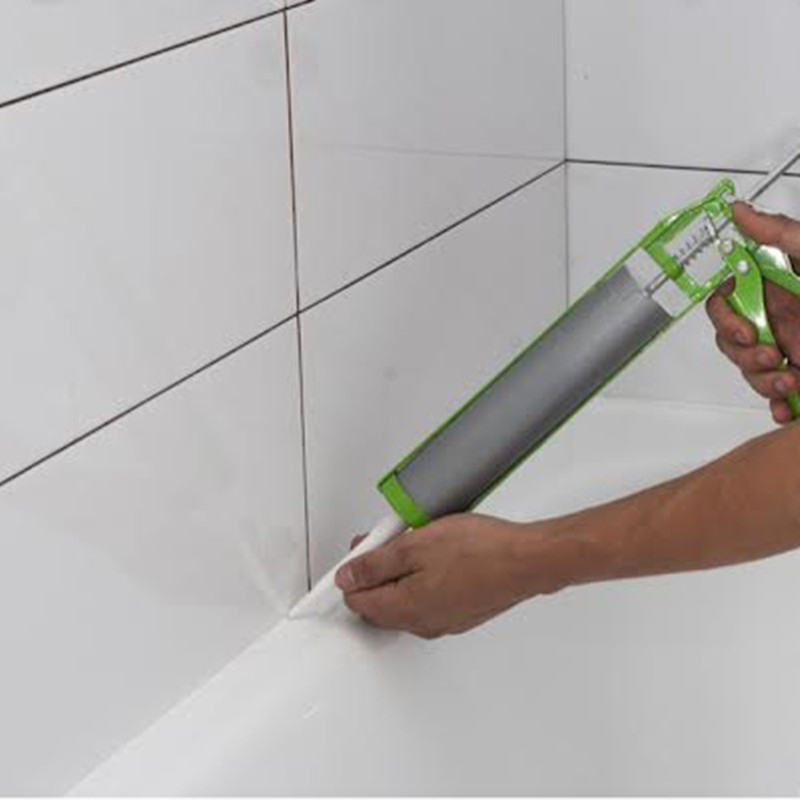
3. Due to the large temperature difference between day and night, different materials have different coefficients of thermal expansion and contraction. What problems will this cause? How to solve?
Since different materials have different thermal expansion and contraction coefficients, temperature changes will cause stress differences between the two bonded materials. Long-term accumulated stress may cause cracking or peeling of the bonding layer, thereby affecting its bonding performance and lifespan.
Solution: Choose materials with similar thermal expansion and contraction coefficients for bonding to minimize stress differences. And it is necessary to choose silicone sealant with a certain elasticity to adapt to the thermal expansion and contraction of different materials and relieve stress and displacement. Reasonably design the joint structure and consider a certain tolerance for expansion, contraction and displacement to reduce stress concentration and improve the durability of the bond.
4. How should the remaining sealant after construction be properly preserved and stored?
In autumn and winter, the temperature difference between indoor and outdoor is large, which will make it difficult to preserve sealant.
Solution: There is endless sealant during the construction process. Please be sure to store the sealant indoors. Under normal circumstances, the mouth of the sealant tube should be sealed and placed in a cool, dry place indoors. This can extend its storage time and facilitate next use.
Related Articles
Quality Control in Sealant & Waterproof Coating Manufacturing | From Raw Materials to Finished Products
What Is No More Nails? No More Nails vs Silicone Sealant Explained
Silicone Sealant Yellowing: How to Avoid Discoloration in Clear Caulk
What Is No More Nails? Uses, Strength & How to Apply It
Floor Adhesives: A Comparative Guide to Acrylic, MS, and Polyurethane
You May Also Like
-
top Reco Quality Control in Sealant & Waterproof Coating Ma...

-
top Reco What Is No More Nails? No More Nails vs Silicone S...
nail free glue 
-
top Reco Silicone Sealant Yellowing: How to Avoid Discolora...
silicone sealant 
-
top Reco Which sealant is more mold resistant polyurethane ...
silicone sealant acrylic sealant pu sealant 
-
MS Polymer Wood Flooring Adhesive: Product Selecti...

-
Polyurethane waterproof concrete sealant Types: 1K...
construction materials Polyurethane sealant Factory & Manufacturer 

 Tina
Tina Tina
Tina
