

English
- English
- Русский
TENGYU DYNAMIC
Specializing in silicone adhesive and sealant research and development, production, sales in one of the national high-tech enterprises

Do you know about polyurethane sealant?
2023-11-28 10:26:01
Click:
“
Polyurethane sealant is a room-temperature curing material that is used to fill
”
Polyurethane sealant is a room-temperature curing material that is used to fill and bond joints on-site. Before curing, it is in the form of a paste and can be extruded to fill gaps. After curing, it becomes an elastomer, which plays the role of interface bonding, anti-leakage, waterproof, dustproof, and can withstand vibration or displacement caused by thermal expansion and contraction.
Polyurethane sealants are available in single-component and two-component packaging types. Two-component polyurethane sealant is packaged separately. One is a component containing NCO, and the other is a curing agent containing active hydrogen. When used, the two components are mixed in a certain proportion, and the NCO and active hydrogen are used. reaction and solidifies into an elastomer. The advantage is that the room temperature curing speed is faster than that of a single component and the cost is low, but it is inconvenient to operate during use. One-component polyurethane sealant is composed of NCO-terminated prepolymer, fillers and additives. It is sealed and stored. When used, it reacts with moisture in the air and solidifies into an elastomer with a network structure.
Because polyurethane sealant has good adhesion to a variety of materials (such as concrete, metal, and glass), is UV-resistant, low-temperature resistant, chemical-resistant, and cost-effective, it has been widely used in construction projects, Transportation, aerospace and automotive fields.
application:
1. construction industry:
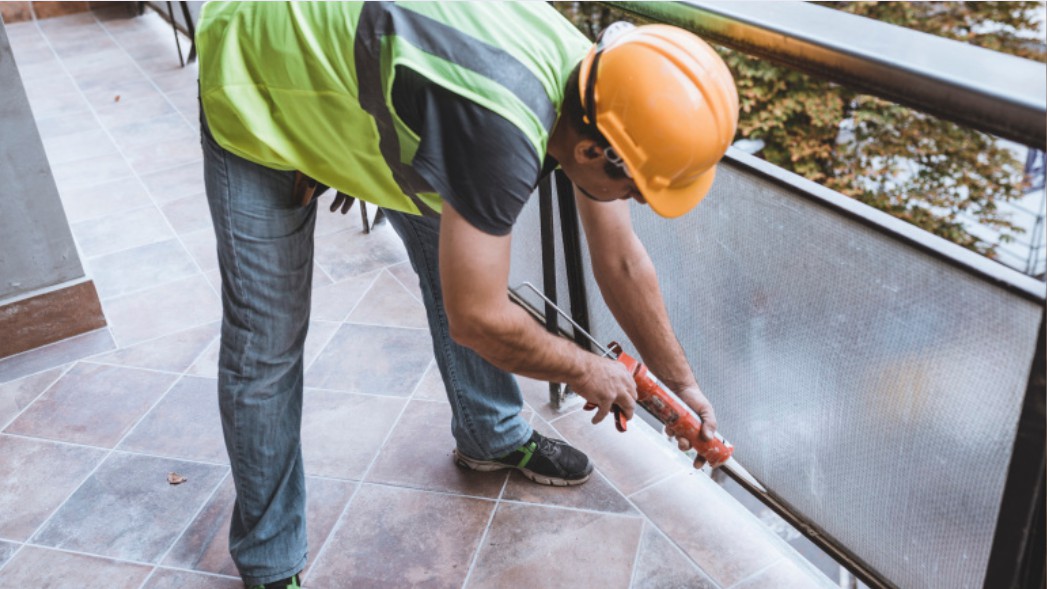
In the construction field, polyurethane sealants are widely used for sealing construction joints in concrete panel curtain walls, reinforced concrete, stone slabs, thin plates, and glass fiber reinforced concrete. At the same time, polyurethane sealant is also widely used in the caulking of roads and runways and the bonding and sealing of various pipelines and bridges, especially joints that are subject to dynamic stress and hot and cold shrinkage and expansion.
2. aerospace field:
Due to the advancement of sealing technology, polyurethane sealants have also opened up new markets in the aerospace field. In the mid-20th century, sealants have been used in the aerospace field. There have been reports of the development of a sealant that can withstand vibration displacement, mechanical corrosion, and remain chemically inert to the sealed liquid (aqueous solution, hydraulic fluid, jet fuel, etc.) Low-volatility high-grade sealant, and with the huge progress in aerospace technology, the demand for this new type of sealant will continue to grow.

3. automobile industry:
As far as the automotive industry is concerned, in recent decades, due to the development of the automotive industry requiring lightweight automotive components, a large number of plastic parts have been used, especially high-strength ERP (glass fiber reinforced plastic) and SMC (sheet molding materials) , is used in automobile manufacturing. Polyurethane sealant not only has a good bonding and sealing effect on traditional metal materials, but also has a very good bonding effect on thermoplastic plastics and new composite materials. Compared with traditional mechanical welding and riveting technologies, polyurethane sealants have very obvious advantages, such as: the ability to bond substrates with different thermal expansion coefficients, strong bonding, high mechanical strength, good weather resistance, better insulation and It is less corrosive, reduces vibration of screw and rivet assemblies, and improves efficiency in bonding automotive assemblies.
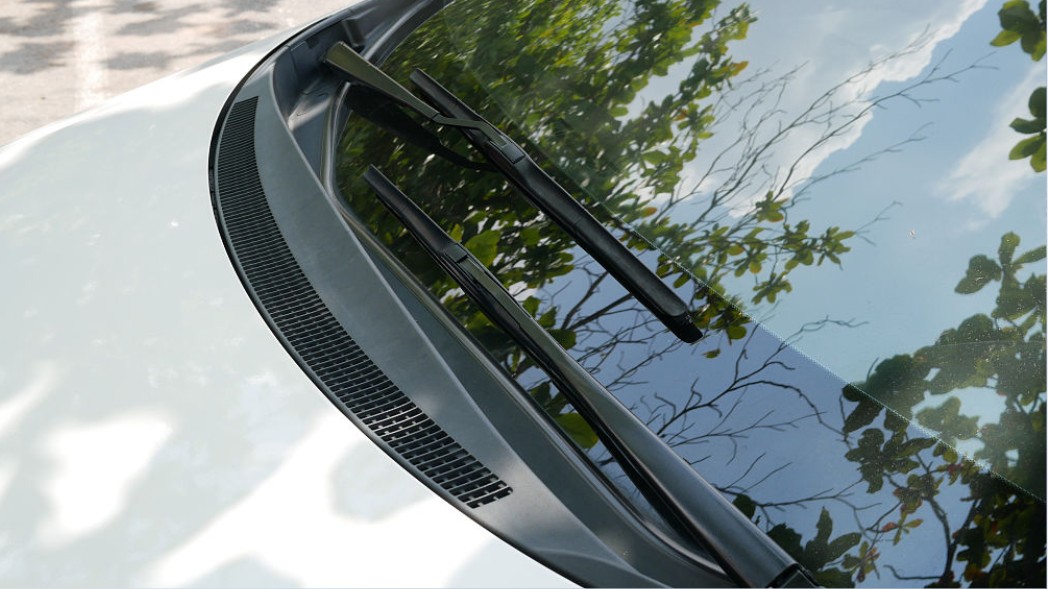
At present, moisture-curing polyurethane sealant is the best adhesive sealing material for installing automobile windshields. 95% of automobile windshields in the world use single-component moisture-curing polyurethane sealant. More importantly: the outstanding features of lightweight, green and environmentally friendly polyurethane sealants are that they adapt to the requirements of environmental protection, industrial hygiene, resources and other policies and regulations.
Prev : Precautions for silicone sealant construction
Next : What are the applications of polyurethane sealant in automobile windshields?
Related Articles
Quality Control in Sealant & Waterproof Coating Manufacturing | From Raw Materials to Finished Products
What Is No More Nails? No More Nails vs Silicone Sealant Explained
Silicone Sealant Yellowing: How to Avoid Discoloration in Clear Caulk
What Is No More Nails? Uses, Strength & How to Apply It
Floor Adhesives: A Comparative Guide to Acrylic, MS, and Polyurethane
You May Also Like
-
top Reco Quality Control in Sealant & Waterproof Coating Ma...

-
top Reco What Is No More Nails? No More Nails vs Silicone S...
nail free glue 
-
top Reco Silicone Sealant Yellowing: How to Avoid Discolora...
silicone sealant 
-
top Reco Which sealant is more mold resistant polyurethane ...
silicone sealant acrylic sealant pu sealant 
-
Hydrophilic Waterstop Polyurethane Sealant for Con...
-
MS Polymer Wood Flooring Adhesive: Product Selecti...


 Tina
Tina Tina
Tina
