

English
- English
- Русский
TENGYU DYNAMIC
Specializing in silicone adhesive and sealant research and development, production, sales in one of the national high-tech enterprises

Common Mistakes to Avoid When Using Construction Sealant.
2024-12-07 14:17:00
Click:
“
Construction sealants are an essential component of any construction project. They help ensure that the building is weatherproof, airtight, and leak-free. Therefore, we should use construction sealants correctly.
”
Construction sealants are an essential component of any construction project. They help ensure that a building is weatherproof, airtight, and leak-free. However, if used incorrectly, construction sealants can lead to a host of problems that compromise the integrity of the structure.
To help you avoid these common mistakes, here are some key things to remember when using construction sealants.
1. Not Preparing the Surface Correctly:
One of the most common mistakes when using construction sealants is not properly preparing the surface before applying the sealant. It is crucial to thoroughly clean the surface to remove any dirt, debris, or old sealant residue. Not doing so can prevent the new sealant from adhering properly, leading to leaks and other problems.
2. Using the Wrong Type of Sealant:
Another common mistake is using the wrong type of sealant. There are many different types of construction sealants available, each designed for specific applications. Before using a sealant, be sure to research the type of sealant that will work best for your project, taking into account factors such as the material being sealed, the intended use of the sealant, and the conditions the sealant will be exposed to.
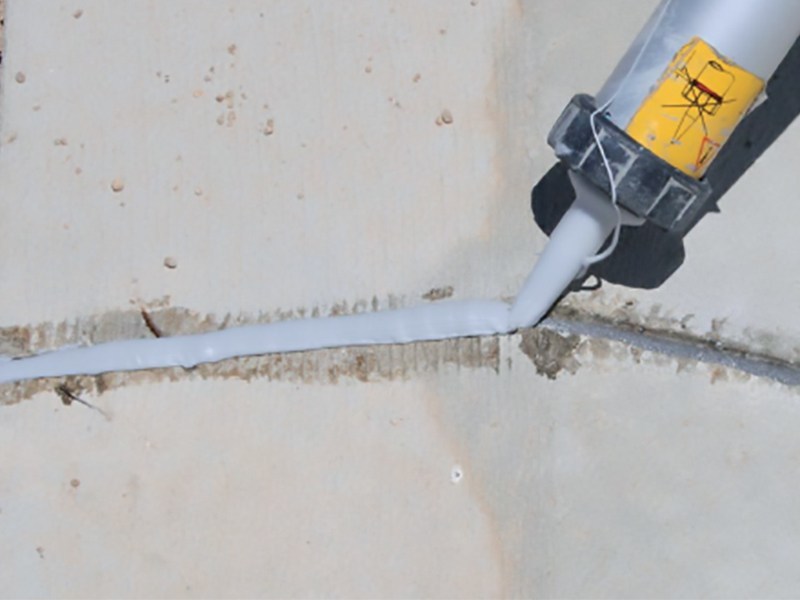
3. Over-applying sealant:
While it may be tempting to apply a thick coat of sealant to ensure a watertight seal, over-applying can actually be counterproductive. Over-applying sealant can lead to cracking, bubbling, and poor adhesion, which can compromise the sealant’s effectiveness. Follow the manufacturer’s instructions on application thickness and be careful not to apply too much sealant.
4. Sealant not curing properly:
Proper curing is essential for building sealants to achieve their full strength and effectiveness. If a sealant is not cured for the recommended amount of time, it can lead to premature failure and compromise its ability to seal out moisture and air. Be patient and follow the manufacturer’s instructions on curing time before exposing the sealant to the elements.
5. Neglecting maintenance and repairs:
Once a building sealant is applied, it is important to regularly inspect and maintain it to ensure it continues to be effective. If you notice any signs of damage, wear, or deterioration, repair it promptly to prevent leaks and other problems. Regular maintenance helps extend the life of the sealant and protect the underlying structure.
In summary, building sealants are a critical component in any construction project, but they must be used correctly to ensure their effectiveness. By avoiding these common mistakes and following best practices for sealant application and maintenance, you can help protect your structure from leaks, drafts, and other potential problems. If you’re unsure about the best sealant for your project or how to properly apply and maintain it, remember to consult a professional.
Related Articles
Quality Control in Sealant & Waterproof Coating Manufacturing | From Raw Materials to Finished Products
What Is No More Nails? No More Nails vs Silicone Sealant Explained
Silicone Sealant Yellowing: How to Avoid Discoloration in Clear Caulk
What Is No More Nails? Uses, Strength & How to Apply It
Floor Adhesives: A Comparative Guide to Acrylic, MS, and Polyurethane
You May Also Like
-
top Reco Quality Control in Sealant & Waterproof Coating Ma...

-
top Reco What Is No More Nails? No More Nails vs Silicone S...
nail free glue 
-
top Reco Silicone Sealant Yellowing: How to Avoid Discolora...
silicone sealant 
-
top Reco Which sealant is more mold resistant polyurethane ...
silicone sealant acrylic sealant pu sealant 
-
MS Polymer Wood Flooring Adhesive: Product Selecti...

-
Polyurethane waterproof concrete sealant Types: 1K...
construction materials Polyurethane sealant Factory & Manufacturer 
 Tina
Tina Tina
Tina
