

English
- English
- Русский
TENGYU DYNAMIC
Specializing in silicone adhesive and sealant research and development, production, sales in one of the national high-tech enterprises

The Environmental Impact of Construction Polyurethane Sealant.
2024-12-11 17:10:59
Click:
“
Polyurethane sealants are commonly used in the construction sector for a variety of purposes, such as sealing gaps and joints to prevent water infiltration, air leakage, and noise pollution. While these sealants offer many advantages in terms of durability and performance, they also have a significant impact on the environment. One of the main environmental issues associated with polyurethane sealants is their impact on air pollution.
”
Polyurethane sealants are commonly used in the construction sector for a variety of purposes, such as sealing gaps and joints to prevent water infiltration, air leakage, and noise pollution. While these sealants offer many advantages in terms of durability and performance, they also have a significant impact on the environment. One of the main environmental issues associated with polyurethane sealants is their impact on air pollution.
During the manufacturing process, polyurethane sealants release volatile organic compounds (VOCs) into the atmosphere, which can lead to smog formation and have harmful effects on human health. In addition, when polyurethane sealants are applied to construction sites, they continue to release VOCs into the air for a long time, further contributing to air pollution.
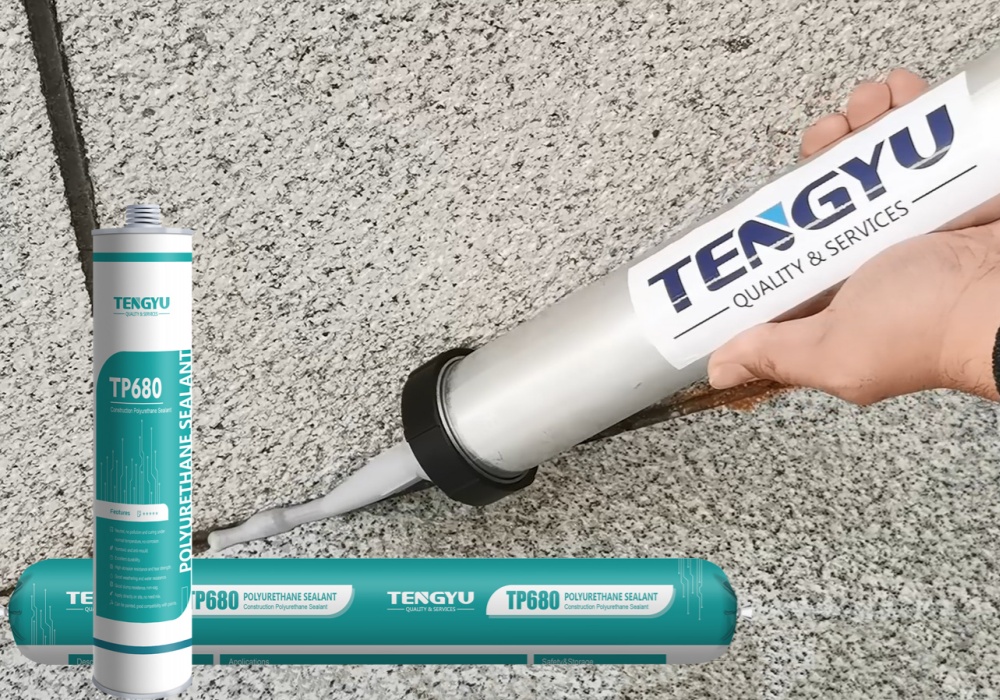
Polyurethane sealants can also contaminate soil and water sources. If sealants are not handled properly or leaks occur during use, the chemicals in the sealants can seep into the soil and eventually enter groundwater sources. This can have a negative impact on ecosystems and pose risks to wildlife and human health.
In addition, the disposal of polyurethane sealants is also problematic. Most sealants are non-biodegradable and can remain in the environment for a long time. Improper disposal of sealant containers or waste can lead to litter and contaminate landfills. To mitigate the environmental impact of polyurethane sealants in construction, builders and contractors must take proactive steps. This includes using low-VOC or no-VOC sealants, properly storing and disposing of sealant containers and waste, and following industry best practices for applying sealants to minimize spills and leaks.
In summary, while polyurethane sealants offer many benefits in construction, it is important to be mindful of their impact on the environment. By making smart choices and acting responsibly, we can help reduce the negative impact of sealants on the environment and move toward more sustainable building practices.
Related Articles
Quality Control in Sealant & Waterproof Coating Manufacturing | From Raw Materials to Finished Products
What Is No More Nails? No More Nails vs Silicone Sealant Explained
Silicone Sealant Yellowing: How to Avoid Discoloration in Clear Caulk
What Is No More Nails? Uses, Strength & How to Apply It
Floor Adhesives: A Comparative Guide to Acrylic, MS, and Polyurethane
You May Also Like
-
top Reco Quality Control in Sealant & Waterproof Coating Ma...

-
top Reco What Is No More Nails? No More Nails vs Silicone S...
nail free glue 
-
top Reco Silicone Sealant Yellowing: How to Avoid Discolora...
silicone sealant 
-
top Reco Which sealant is more mold resistant polyurethane ...
silicone sealant acrylic sealant pu sealant 
-
Polyurethane waterproof concrete sealant Types: 1K...
construction materials Polyurethane sealant Factory & Manufacturer 
-
Custom Color Constrcution Sealants: Matching Your ...
silicone sealant acrylic sealant Ms sealant pu sealant 
 Tina
Tina Tina
Tina
