

English
- English
- Русский
TENGYU DYNAMIC
Specializing in silicone adhesive and sealant research and development, production, sales in one of the national high-tech enterprises

How to Use High Tack MS Polymer for Strong and Durable Bonding?
2025-03-22 13:45:25
Click:
“
High tack MS polymer is a versatile and effective adhesive that can be used for a wide range of applications. Whether you are bonding materials in construction, automotive, marine, or any other industry, high tack MS polymer provides a strong and durable bond that is sure to hold up over time.
”
To use high tack MS polymer for strong and durable bonding, follow these simple steps:
1. Prepare the surfaces: Before applying the MS polymer, make sure that the surfaces you are bonding are clean, dry, and free of any dust, dirt, or other contaminants. This will help ensure a strong bond between the materials.
2. Apply the MS polymer: Using a caulking gun or similar dispensing tool, apply a generous bead of high tack MS polymer to one of the surfaces you are bonding. Be sure to apply the adhesive evenly and in a continuous line for the best results.

3. Press the surfaces together: Once you have applied the MS polymer to one of the surfaces, carefully press the two materials together. Apply firm and even pressure to ensure that the adhesive creates a strong bond between the surfaces.
4. Allow the adhesive to cure: Depending on the specific brand and type of high tack MS polymer you are using, the adhesive may require a certain amount of time to cure and reach its full strength. Be sure to follow the manufacturer's instructions for curing times to ensure a strong and durable bond.
5. Clean up any excess adhesive: After bonding the materials together, use a damp cloth or solvent to clean up any excess adhesive that may have squeezed out during the bonding process. This will help give your project a clean and professional finish.
By following these simple steps, you can use high tack MS polymer for strong and durable bonding in a wide range of applications. Whether you are bonding materials in construction, automotive, marine, or any other industry, high tack MS polymer is sure to provide a reliable and long-lasting bond that will hold up over time.
Prev : The Role of Epoxy Anchor Adhesive in Ensuring Safe and Durable Structures
Next : What are the benefits of using silicone waterproofing coatings in roofing applications?
Related Articles
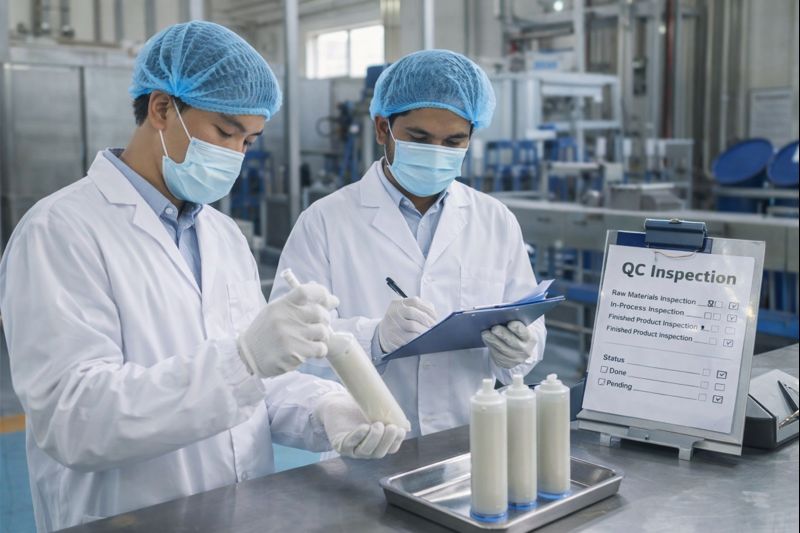
Quality Control in Sealant & Waterproof Coating Manufacturing | From Raw Materials to Finished Products
What Is No More Nails? No More Nails vs Silicone Sealant Explained
Silicone Sealant Yellowing: How to Avoid Discoloration in Clear Caulk
What Is No More Nails? Uses, Strength & How to Apply It
Floor Adhesives: A Comparative Guide to Acrylic, MS, and Polyurethane
You May Also Like
-
top Reco Quality Control in Sealant & Waterproof Coating Ma...

-
top Reco What Is No More Nails? No More Nails vs Silicone S...
nail free glue 
-
top Reco Silicone Sealant Yellowing: How to Avoid Discolora...
silicone sealant 
-
top Reco Which sealant is more mold resistant polyurethane ...
silicone sealant acrylic sealant pu sealant 
-
MS Polymer Wood Flooring Adhesive: Product Selecti...

-
Polyurethane waterproof concrete sealant Types: 1K...
construction materials Polyurethane sealant Factory & Manufacturer 
 Tina
Tina Tina
Tina
