

English
- English
- Русский
TENGYU DYNAMIC
Specializing in silicone adhesive and sealant research and development, production, sales in one of the national high-tech enterprises

How to Choose the Right Acrylic Sealant for Duct?
2025-06-05 11:17:00
Click:
“
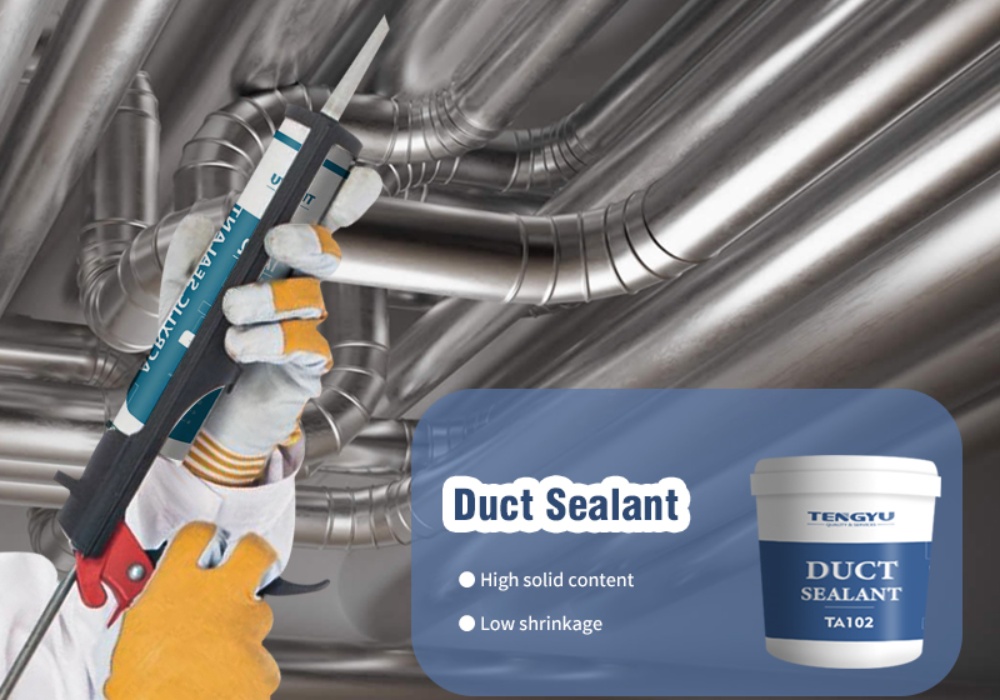
Acrylic sealants are often used for sealing joints and seams in duct systems to prevent air leaks, improve energy efficiency, and maintain indoor air quality.
”
Choosing the right acrylic sealant for ductwork is crucial to ensure proper sealing, durability, and compatibility with the duct material and environmental conditions. Acrylic sealants are often used for sealing joints and seams in duct systems to prevent air leaks, improve energy efficiency, and maintain indoor air quality. Below are the key factors to consider when selecting the right acrylic sealant for ducts:
1. Understand the Type of Ductwork
Material Compatibility: Ensure the sealant is compatible with the material of your ductwork, such as galvanized steel, aluminum, or flexible ducts. Most acrylic sealants work well with metal ducts, but always check the product specifications.
Application Area: Determine if the sealant will be used on rigid ducts, flexible ducts, or duct connections. Some sealants are better suited for specific applications.
2. Check for Airtightness and Energy Efficiency
Leak Prevention: Look for a sealant specifically designed for HVAC systems that provides an airtight seal to prevent air leakage. This is critical for maintaining energy efficiency and system performance.
Energy Standards: Choose a sealant that meets industry standards, such as those set by the Sheet Metal and Air Conditioning Contractors' National Association (SMACNA) or ENERGY STAR guidelines.
3. Consider Environmental Conditions
Temperature Resistance: Ensure the sealant can withstand the temperature range of your duct system. Some acrylic sealants are formulated for high-temperature environments, while others may crack or degrade under extreme heat or cold.
Humidity and Moisture: If the ducts are in a humid environment or exposed to condensation, choose a sealant with moisture resistance to prevent mold or degradation.
Indoor vs. Outdoor Use: For outdoor ducts, select a weather-resistant acrylic sealant that can handle UV exposure, rain, and temperature fluctuations.
4. Look for Low VOC and Safety Features
Volatile Organic Compounds (VOC): Choose a low-VOC or VOC-free acrylic sealant to minimize harmful emissions, especially for indoor duct systems. This helps maintain good indoor air quality.
Non-Toxic: Ensure the sealant is safe for use in HVAC systems and does not release toxic fumes when cured.
5. Evaluate Application and Curing Properties
Ease of Application: Acrylic sealants come in different forms, such as caulk tubes, brush-on, or spray-on. Choose a product that matches your application method and tools (e.g., caulking gun for tubes).
Curing Time: Check the curing time of the sealant. Some products cure quickly (within a few hours), while others may take 24–48 hours to fully set. Faster curing is ideal for projects with tight timelines.
Flexibility: Opt for a sealant that remains flexible after curing to accommodate minor duct movement or vibration without cracking.
6. Ensure Durability and Longevity
Permanent vs. Temporary Seal: Determine if you need a permanent seal or a temporary one that can be removed or replaced easily.
Lifespan: Look for a sealant with a long lifespan (e.g., 10–20 years) to avoid frequent reapplication.
Resistance to Aging: Choose a product that resists cracking, shrinking, or hardening over time.
7. Choose Between Water-Based Acrylic Sealants
- Water-Based Acrylic Sealants:
- Easier to clean up with water.
- Low odor and low VOC, making them safer for indoor use.
- Ideal for general duct sealing in non-extreme conditions.
By considering these factors, you can select the right acrylic sealant for your ductwork, ensuring a long-lasting, efficient, and safe seal. If you're unsure, consult with an HVAC professional or the sealant manufacturer for specific recommendations based on your project needs.
Prev : Why Silicone Sealant for Countertop is Your Kitchen's Best Friend?
Next : Top 5 Benefits of Using Silicone Sealant for Curtain Wall in Modern Architecture?
Related Articles
Quality Control in Sealant & Waterproof Coating Manufacturing | From Raw Materials to Finished Products
What Is No More Nails? No More Nails vs Silicone Sealant Explained
Silicone Sealant Yellowing: How to Avoid Discoloration in Clear Caulk
What Is No More Nails? Uses, Strength & How to Apply It
Floor Adhesives: A Comparative Guide to Acrylic, MS, and Polyurethane
You May Also Like
-
top Reco Quality Control in Sealant & Waterproof Coating Ma...

-
top Reco What Is No More Nails? No More Nails vs Silicone S...
nail free glue 
-
top Reco Silicone Sealant Yellowing: How to Avoid Discolora...
silicone sealant 
-
top Reco Which sealant is more mold resistant polyurethane ...
silicone sealant acrylic sealant pu sealant 
-
Hydrophilic Waterstop Polyurethane Sealant for Con...

-
MS Polymer Wood Flooring Adhesive: Product Selecti...


 Tina
Tina Tina
Tina
