

English
- English
- Русский
TENGYU DYNAMIC
Specializing in silicone adhesive and sealant research and development, production, sales in one of the national high-tech enterprises

The Role of Polyurethane Sealant for Construction in Preventing Structural Damage.
2025-06-14 08:00:00
Click:
“
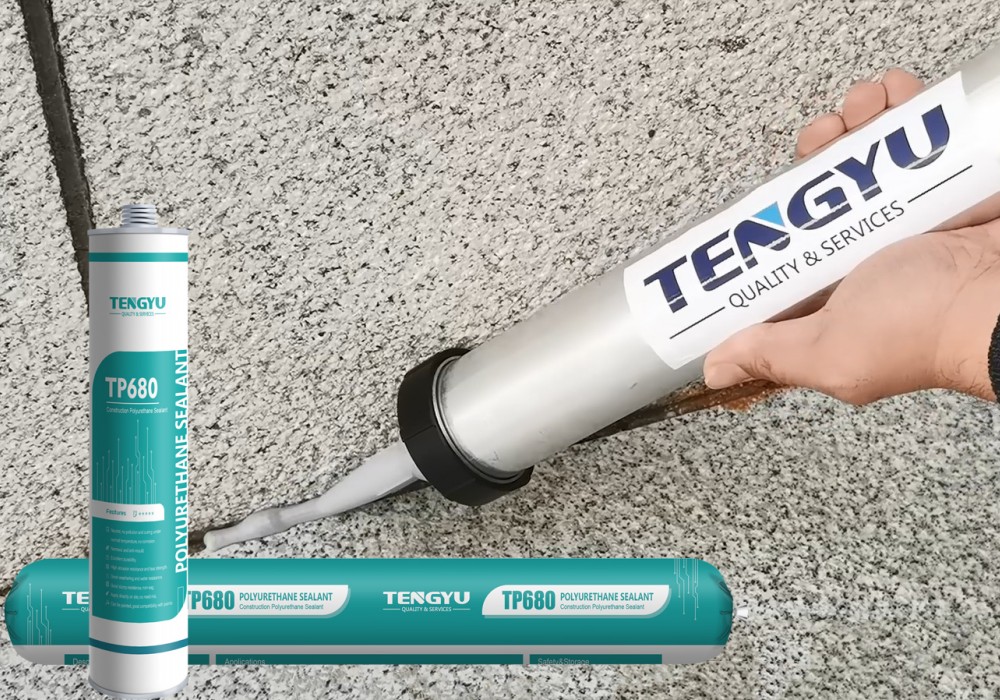
Polyurethane sealant is a type of adhesive and sealing material made from polyurethane, a polymer known for its flexibility, durability, and resistance to environmental stressors. It is widely used in construction for sealing joints, cracks, and gaps in structures such as concrete, metal, wood, and glass.
”
Polyurethane sealants are adhesives and sealants made from polyurethane. Polyurethane is a polymer known for its flexibility, durability, and resistance to environmental stresses. It is widely used in building construction to seal joints, cracks, and gaps in structures such as concrete, metal, wood, and glass. Polyurethane sealants are available in a variety of forms, including one- and two-component systems, and can be tailored to meet specific needs based on their cure time, elasticity, and bonding properties.
Unlike other sealants such as silicone or acrylic, polyurethane sealants have excellent tensile strength and elasticity, making them ideal for applications that are subject to frequent movement and vibration. In addition, they have excellent resistance to moisture, chemicals, and UV radiation, ensuring long-term use even in harsh conditions.
Prevents Water Infiltration
Water infiltration is one of the leading causes of structural damage in buildings. When water seeps into cracks or joints in a structure, it can lead to corrosion of steel reinforcement, mold growth, and deterioration of concrete or other building materials. Over time, this can weaken foundations and compromise the safety of the building.
Polyurethane sealants act as a barrier to water infiltration by sealing expansion joints, control joints, and gaps around doors, windows, and other openings. Its water-resistant properties ensure that it effectively blocks moisture even in heavy rain or humid environments. In addition, polyurethane sealants maintain their integrity in humid environments, unlike some other materials that degrade or lose adhesion when exposed to water.
Accommodates Structural Movements
Buildings are constantly subject to movement due to thermal expansion and contraction, seismic activity, and foundation settlement. If these movements are not properly accommodated, cracks and gaps can form, eventually leading to structural damage. Polyurethane sealants are well suited to address this problem because they are highly elastic and can withstand large stretches and compressions without breaking.
Enhanced Durability and Protection from Environmental Factors
Building materials are often exposed to harsh environments, including extreme temperatures, UV radiation, and chemicals. Over time, these factors can cause materials to degrade, leading to cracks, corrosion, and other forms of structural damage. Polyurethane sealants offer excellent resistance to these factors, making them ideal for both indoor and outdoor applications.
Polyurethane sealants play an integral role in the construction industry, preventing structural damage and extending the life of buildings. With properties that make them waterproof, resistant to deformation and environmental stress, they are the go-to solution for sealing joints, cracks and gaps in a variety of materials. By using polyurethane sealants, builders and engineers can protect structures from water seepage, thermal expansion and other factors that cause structural damage.
As construction technology and materials continue to evolve, the importance of high-quality sealants like polyurethane cannot be underestimated. Investing in the right sealing solution during the construction phase or maintenance is a proactive move to ensure the safety, durability and sustainability of your building. In this regard, polyurethane sealants are a reliable and effective tool to prevent structural damage.
Related Articles
Quality Control in Sealant & Waterproof Coating Manufacturing | From Raw Materials to Finished Products
What Is No More Nails? No More Nails vs Silicone Sealant Explained
Silicone Sealant Yellowing: How to Avoid Discoloration in Clear Caulk
What Is No More Nails? Uses, Strength & How to Apply It
Floor Adhesives: A Comparative Guide to Acrylic, MS, and Polyurethane
You May Also Like
-
top Reco Quality Control in Sealant & Waterproof Coating Ma...

-
top Reco What Is No More Nails? No More Nails vs Silicone S...
nail free glue 
-
top Reco Silicone Sealant Yellowing: How to Avoid Discolora...
silicone sealant 
-
top Reco Which sealant is more mold resistant polyurethane ...
silicone sealant acrylic sealant pu sealant 
-
Hydrophilic Waterstop Polyurethane Sealant for Con...

-
MS Polymer Wood Flooring Adhesive: Product Selecti...

 Tina
Tina Tina
Tina
