

English
- English
- Русский
TENGYU DYNAMIC
Specializing in silicone adhesive and sealant research and development, production, sales in one of the national high-tech enterprises

The Equipments Use for Caulking in Coustuction
2025-07-11 00:00:00
Click:
“
Caulking is a crucial process in construction, home improvement, and maintenance projects, often used to seal joints or seams against leakage in various structures and materials. Whether you're working on a bathroom renovation, sealing windows, or weatherproofing a building, having the right equipment for caulking is essential to achieve a professional finish and ensure durability.
”
1. Caulk Gun
The caulk gun is the cornerstone of any caulking project. This handheld tool is designed to hold a tube of caulk and dispense it evenly through a nozzle. Caulk guns come in two main types: manual and powered (electric or pneumatic). Manual caulk guns are the most common for small to medium projects, requiring hand pressure to push the caulk out. Powered caulk guns, on the other hand, are ideal for larger jobs as they reduce hand fatigue and provide consistent pressure. When choosing a caulk gun, look for one with a smooth trigger mechanism and a drip-free feature to prevent messes.
2. Caulk Tubes
Caulk itself is a critical component, and it comes in tubes or cartridges that fit into the caulk gun. There are various types of caulk, such as silicone, acrylic, polyurethane, and latex, each suited for specific applications (e.g., waterproofing, flexibility, or paintability). Ensure that the caulk you select matches the material and environment of your project. Always check the expiration date on the tube to avoid using outdated caulk, which may not perform effectively.
3. Utility Knife or Caulk Tube Cutter
Before loading a caulk tube into the gun, the tip of the tube needs to be cut at a 45-degree angle to control the flow of caulk. A utility knife or a specialized caulk tube cutter is used for this purpose. Cutting the tip at the correct angle and size ensures a smooth bead of caulk. A smaller cut creates a thinner bead for precision work, while a larger cut is better for filling wider gaps.
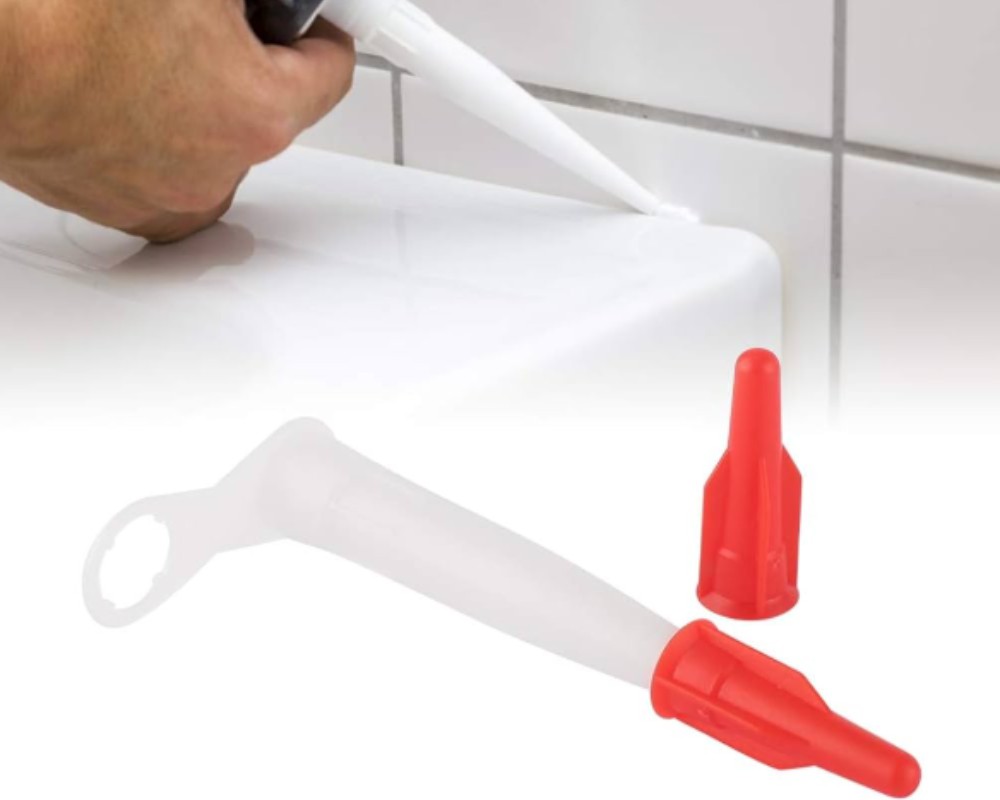
4. Caulk Finishing Tool or Finger Tool
After applying the caulk, it needs to be smoothed out to create a neat, professional-looking seal. A caulk finishing tool, often made of plastic or metal, helps shape the bead and remove excess caulk. Alternatively, a gloved finger dipped in soapy water can be used for smaller projects. This step not only improves the appearance but also ensures the caulk adheres properly to the surface.
5. Masking Tape
For clean, straight lines, masking tape is an invaluable tool. By applying tape along the edges of the area to be caulked, you can prevent caulk from spreading onto unwanted surfaces. Once the caulk is applied and smoothed, the tape can be carefully removed before the caulk sets, leaving a crisp edge.
6. Cleaning Supplies
Caulking can be a messy job, so having cleaning supplies on hand is essential. Rags or paper towels are useful for wiping away excess caulk before it dries. For silicone caulk, which is more difficult to clean, mineral spirits or acetone may be needed. Additionally, soapy water is helpful for cleaning tools and smoothing caulk beads.
7. Safety Gear
While caulking is generally a safe activity, it’s wise to wear protective gear. Gloves protect your hands from sticky caulk and potential skin irritation from chemicals. Safety glasses are recommended if you’re working in tight spaces or overhead, as caulk can sometimes drip unexpectedly. If using strong-smelling caulk or working in a poorly ventilated area, a mask or respirator can help protect against fumes.
Prev : The Essential Role of Sealants in Window and Door Installation
Next : 5 Key Benefits of Using High Tack MS Polymer in Industrial Applications.
Related Articles
Quality Control in Sealant & Waterproof Coating Manufacturing | From Raw Materials to Finished Products
What Is No More Nails? No More Nails vs Silicone Sealant Explained
Silicone Sealant Yellowing: How to Avoid Discoloration in Clear Caulk
What Is No More Nails? Uses, Strength & How to Apply It
Floor Adhesives: A Comparative Guide to Acrylic, MS, and Polyurethane
You May Also Like
-
top Reco Quality Control in Sealant & Waterproof Coating Ma...

-
top Reco What Is No More Nails? No More Nails vs Silicone S...
nail free glue 
-
top Reco Silicone Sealant Yellowing: How to Avoid Discolora...
silicone sealant 
-
top Reco Which sealant is more mold resistant polyurethane ...
silicone sealant acrylic sealant pu sealant 
-
MS Polymer Wood Flooring Adhesive: Product Selecti...

-
Polyurethane waterproof concrete sealant Types: 1K...
construction materials Polyurethane sealant Factory & Manufacturer 

 Tina
Tina Tina
Tina
