

English
- English
- Русский
TENGYU DYNAMIC
Specializing in silicone adhesive and sealant research and development, production, sales in one of the national high-tech enterprises

Sealing Sealant in the Kitchen and Bathroom
2025-07-31 00:00:00
Click:
“
For homeowners who are new to sealants, we hope our guide to what a sealant is h
”
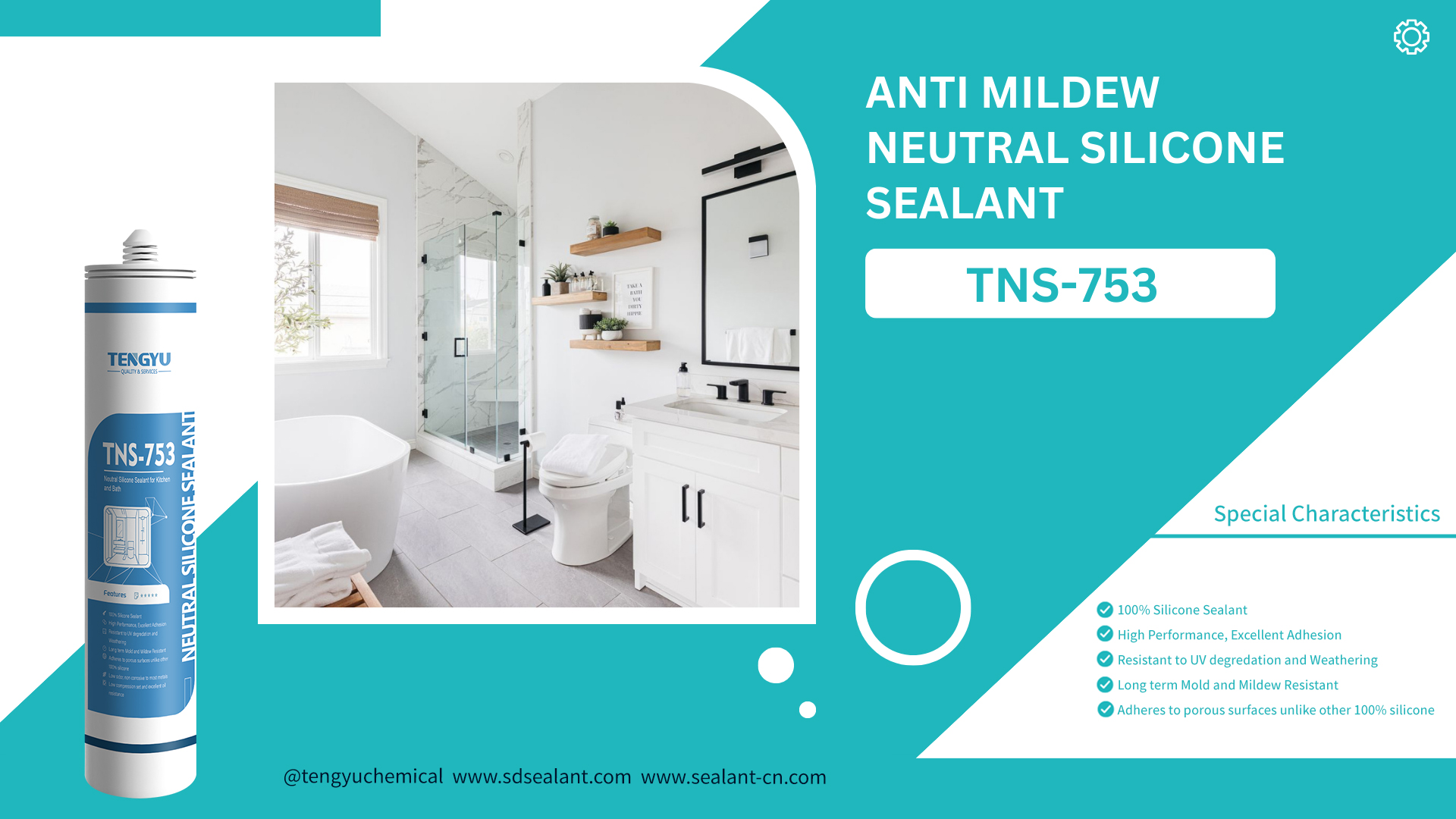
For homeowners who are new to sealants, we hope our guide to what a sealant is has helped you understand why choosing the right sealant is important.
Sealant products typically have the same basic adhesive properties, though some are designed for specific applications. So how do you select silicone sealants that best suit your DIY projects and renovations e.g., in the kitchen or bathroom? And do all-purpose sealants provide the most cost-effective solution?
When it comes to kitchens and bathrooms, there are additional considerations to consider e.g., sealants to be used in the kitchen must be water and moisture resistant. So, in this instance, general purpose sealants may not be a one-size-fits-all solution for you.
Why all-purpose sealants may not always be the answer
More isn’t always better. When we are faced with a wide range of sealant products to choose from, we tend to opt for the general-purpose sealant. It is a good option because it works with most substrates and materials, including wood and glass. It is also durable and elastic, except that it usually does not contain fungicides.
Fungicides help to reduce the formation of mould, which is a plus point if you are planning to apply the sealant on surfaces that are frequently exposed to high moisture and humidity. Sealants can also prevent damage caused by water, see page in kitchens and bathrooms.
Regular checks for growth of mould and bacteria is important to avoid bursting your budget over hefty renovation and repair costs. In this article, we bring to attention some unexpected places where the mold hides in your homes. We will also introduce some sealants that are better suited for the kitchen and bathroom.
Where the Mould hides
Mold usually grows in areas where moisture collects. Here are some spots that often go undetected:
Behind the fridge: condensation (source of moisture) occurs in the warm and dark space behind the fridge
Under the fridge: a rarely noticed place where moisture and food spills may collect
In your food blenders: excess moisture from dishwashing may create a thriving environment for mould growth
Under the sink: a warm, moist, and dark environment ticks all the boxes for mould growth to occur and clearing these contaminants leads to more costly repairs or replacements of furniture
Window seals: condensation from the rain provides moisture, while dirt and dust supply “food” for mould, posing a potential health hazard
Seals of electronic appliances: e.g., washing machine where a lot of moisture is retained
Toothbrush holders: water that drips from toothbrush into the container is a source of moisture for mould
Here are some products we recommend:
High Performance Mould Resistant Sealant
Product features:
Long lasting mould resistance: 4x higher
Resistance to the growth of mould and mildew
Neutral cure: visually or completely odourless
Non-corrosive and non-yellowing
Excellent adhesion to a broad range of materials
Where to use: shower and sanitary, kitchen countertops with backsplash, sinks, wash basins, and gap seals
Related Articles
Quality Control in Sealant & Waterproof Coating Manufacturing | From Raw Materials to Finished Products
What Is No More Nails? No More Nails vs Silicone Sealant Explained
Silicone Sealant Yellowing: How to Avoid Discoloration in Clear Caulk
What Is No More Nails? Uses, Strength & How to Apply It
Floor Adhesives: A Comparative Guide to Acrylic, MS, and Polyurethane
You May Also Like
-
top Reco Quality Control in Sealant & Waterproof Coating Ma...

-
top Reco What Is No More Nails? No More Nails vs Silicone S...
nail free glue 
-
top Reco Silicone Sealant Yellowing: How to Avoid Discolora...
silicone sealant 
-
top Reco Which sealant is more mold resistant polyurethane ...
silicone sealant acrylic sealant pu sealant 
-
MS Polymer Wood Flooring Adhesive: Product Selecti...

-
Polyurethane waterproof concrete sealant Types: 1K...
construction materials Polyurethane sealant Factory & Manufacturer 

 Tina
Tina Tina
Tina
