

English
- English
- Русский
TENGYU DYNAMIC
Specializing in silicone adhesive and sealant research and development, production, sales in one of the national high-tech enterprises

Top 5 Benefits of Using Epoxy Anchor Adhesive in Structural Projects?
2025-08-16 08:50:23
Click:
“
Epoxy anchor adhesive is a popular choice in structural projects due to its exceptional strength, versatility, and reliability. It is commonly used for anchoring bolts, rebar, and other fixtures into concrete, masonry, or other substrates.
”
Epoxy anchor adhesive is a popular choice in structural projects due to its exceptional strength, versatility, and reliability. It is commonly used for anchoring bolts, rebar, and other fixtures into concrete, masonry, or other substrates. Here are the top 5 benefits of using epoxy anchor adhesive in structural projects:
1. Superior Bonding Strength
Epoxy anchor adhesives provide exceptional tensile and shear strength, creating a strong bond between the anchor and the substrate (e.g., concrete or masonry). This ensures that the anchored components can withstand heavy loads, vibrations, and dynamic forces, making it ideal for critical structural applications like bridges, buildings, and industrial facilities.
Unlike mechanical anchors, epoxy adhesives distribute stress evenly across the bond line, reducing the risk of substrate cracking or anchor failure.
2. Versatility in Application
Epoxy adhesives can be used in a wide range of environments and conditions, including wet, damp, or even underwater applications, depending on the specific formulation. They are also suitable for various substrates, such as cracked or uncracked concrete, brick, and stone.
They accommodate a variety of anchor types, including threaded rods, rebar, and dowels, and can be used in both vertical and horizontal orientations, making them highly adaptable for different structural needs.
3. Durability and Resistance to Environmental Factors
Epoxy anchor adhesives are highly resistant to corrosion, chemicals, and extreme temperatures, ensuring long-term performance in harsh environments. This makes them suitable for outdoor projects or areas exposed to moisture, saltwater, or industrial chemicals.
Their resistance to creep (gradual deformation under sustained load) ensures that the bond remains stable over time, even under constant stress.

4. Ease of Installation and Precision
Epoxy adhesives are relatively easy to install using standard dispensing tools, allowing for quick and precise application. They can fill irregular or oversized holes, providing a secure fit even in challenging conditions.
Many epoxy formulations have adjustable curing times, enabling contractors to choose products that match project timelines—faster curing for urgent repairs or slower curing for larger installations requiring more working time.
5. Enhanced Safety and Reliability
Epoxy anchor adhesives are often tested and certified to meet stringent industry standards, ensuring reliable performance in seismic zones or high-risk applications. They provide a secure hold even in cracked concrete, which is critical for earthquake-prone areas.
By minimizing the risk of anchor pullout or failure, epoxy adhesives contribute to the overall safety of the structure, protecting both the infrastructure and its occupants.
Conclusion
Epoxy anchor adhesive is a trusted solution for structural projects due to its unmatched strength, versatility, and durability. Whether used in new construction, retrofitting, or repair work, it offers a reliable and long-lasting anchoring method that enhances the safety and stability of critical infrastructure. When selecting an epoxy adhesive, it’s important to consider the specific project requirements, environmental conditions, and load demands to ensure optimal performance.
Related Articles
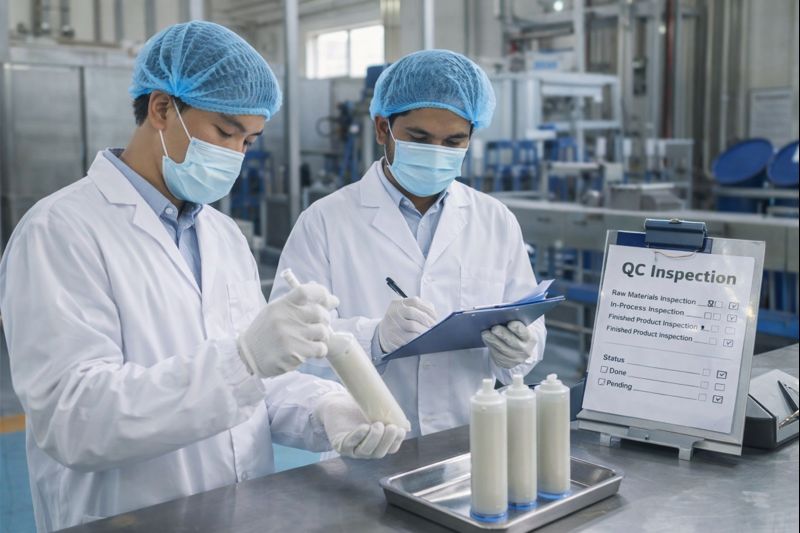
Quality Control in Sealant & Waterproof Coating Manufacturing | From Raw Materials to Finished Products
What Is No More Nails? No More Nails vs Silicone Sealant Explained
Silicone Sealant Yellowing: How to Avoid Discoloration in Clear Caulk
What Is No More Nails? Uses, Strength & How to Apply It
Floor Adhesives: A Comparative Guide to Acrylic, MS, and Polyurethane
You May Also Like
-
top Reco Quality Control in Sealant & Waterproof Coating Ma...

-
top Reco What Is No More Nails? No More Nails vs Silicone S...
nail free glue 
-
top Reco Silicone Sealant Yellowing: How to Avoid Discolora...
silicone sealant 
-
top Reco Which sealant is more mold resistant polyurethane ...
silicone sealant acrylic sealant pu sealant 
-
MS Polymer Wood Flooring Adhesive: Product Selecti...

-
Polyurethane waterproof concrete sealant Types: 1K...
construction materials Polyurethane sealant Factory & Manufacturer 
 Tina
Tina Tina
Tina
