

English
- English
- Русский
TENGYU DYNAMIC
Specializing in silicone adhesive and sealant research and development, production, sales in one of the national high-tech enterprises

Polyurethane Windshield Adhesive: Essential for Automotive Bonding and Sealing
2025-09-10 14:48:06
Click:
“
Discover high-performance polyurethane windshield adhesive for automotive bonding and sealing. Learn about applications, industry standards, and best practices for windshield caulking and vehicle safety.
”
Polyurethane sealants play a critical role in the automotive sector, particularly in bonding and sealing applications such as windshields, weld seams, structural parts, interior assemblies, flooring, air conditioning compartments, luggage areas, and more.
Among these, polyurethane windshield adhesive is especially vital in modern vehicle assembly. It is used to bond and seal windshields and side windows, replacing older mechanical fastening methods and significantly enhancing vehicle safety. Statistics show that 100% of domestically produced cars in China now use polyurethane sealants for windshield installation. Moreover, a growing number of bus manufacturers—especially those producing high-end coaches—are adopting this technology to improve overall vehicle integrity and performance. Currently, polyurethane windshield adhesive is used in approximately 95% of all automotive windshield installations.
Automotive Windshield Design Standards:
For safety reasons, standard glass is not used in vehicles. Most automotive glass is either tempered or laminated. According to China’s GB 9656-2003 standard for automotive safety glass, windshields must provide excellent visibility and high strength to protect occupants during collisions.
Performance Requirements for Automotive Windshield Sealant:
The bonding and sealing process is crucial in automotive manufacturing. Sealants must deliver high strength, tear resistance, and superior sealing performance to enhance the body's structural rigidity. They must also withstand long-term exposure to weather, moisture, and temperature variations.
China’s automotive industry standard QC/T 1024-2015 stipulates that one-component polyurethane windshield adhesive must achieve a tensile strength of ≥6.0 MPa and pass accelerated aging tests including heat resistance, damp heat exposure, artificial climate aging, and water immersion.
Application Process for Polyurethane Sealant:
Proper installation is key to performance—often summarized as “30% material, 70% application.” Before application, adhesion tests should be conducted to confirm compatibility with substrates and select suitable cleaners and primers.
Step-by-Step Gluing Process:
- Surface Cleaning: Use a dedicated cleaner with absorbent cotton to remove oil, dust, and contaminants. Allow to dry completely.
- Primer Application: Apply a thin layer of recommended primer with a soft brush to enhance adhesion. Let it dry thoroughly.
- Gluing and Installation: Apply the polyurethane windshield adhesive in dots or beads as required. Complete windshield positioning and trimming within the sealant’s open time.
Prev : Automotive Seam Sealer: Why Polyurethane Is the Paintable Solution for Modern Cars
Next : Unlock the Secrets of the World's Best Sealants: Find Your Perfect Match!
Related Articles
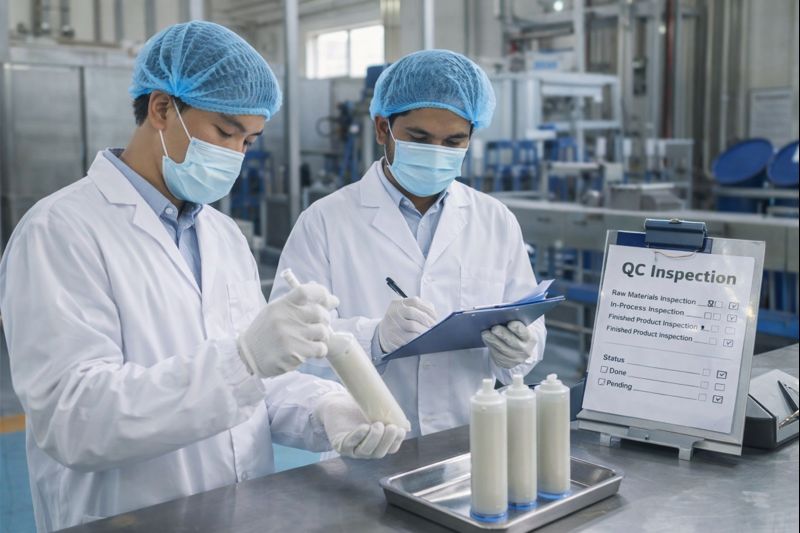
Quality Control in Sealant & Waterproof Coating Manufacturing | From Raw Materials to Finished Products
What Is No More Nails? No More Nails vs Silicone Sealant Explained
Silicone Sealant Yellowing: How to Avoid Discoloration in Clear Caulk
What Is No More Nails? Uses, Strength & How to Apply It
Floor Adhesives: A Comparative Guide to Acrylic, MS, and Polyurethane
You May Also Like
-
top Reco Quality Control in Sealant & Waterproof Coating Ma...

-
top Reco What Is No More Nails? No More Nails vs Silicone S...
nail free glue 
-
top Reco Silicone Sealant Yellowing: How to Avoid Discolora...
silicone sealant 
-
top Reco Which sealant is more mold resistant polyurethane ...
silicone sealant acrylic sealant pu sealant 
-
MS Polymer Wood Flooring Adhesive: Product Selecti...

-
Polyurethane waterproof concrete sealant Types: 1K...
construction materials Polyurethane sealant Factory & Manufacturer 
 Tina
Tina Tina
Tina
