

English
- English
- Русский
TENGYU DYNAMIC
Specializing in silicone adhesive and sealant research and development, production, sales in one of the national high-tech enterprises

What Are The Advantages of Polyurethane Sealants? How To Use Polyurethane Sealant?
2023-04-26 10:04:13
Click:
“
Polyurethane sealant (referred to as PU sealant) is an elastomer made of polyether polyol and polyisocyanate as the main raw materials, supplemented by fillers, plasticizers, coupling agents, and catalysts.
”
Polyurethane sealant is suitable for high-speed railway ballastless track floor expansion joints and joints between the base/support layer and the offline structure, and can also be used for urban subways, expressways, airports, nuclear wind and hydropower plants, urban comprehensive pipe corridors, cement roadbeds and other building components Expansion joints and structural joints.
Advantages of polyurethane sealants:
1. Single component, convenient construction, no weighing, proportioning, stirring, ready to use.
2. There will be no expansion joints on the high temperature and humid base surface.
3. The surface drying time is fast, and the curing is not affected by wind and rain after surface drying, and is suitable for rainy, windy and other severe weather.
4. Good storage stability, which is beneficial to product storage and transportation.
5. It has good adhesion to cement and metal materials, and forms a strong bond with the seam end, which can prevent the glue from falling off and reduce maintenance costs.
6. Excellent high and low temperature resistance and alkali resistance, and can adapt to the actual working conditions of hot extrusion and cold drawing.
7. The bonding between the same materials is firm, which is convenient for secondary construction or maintenance.
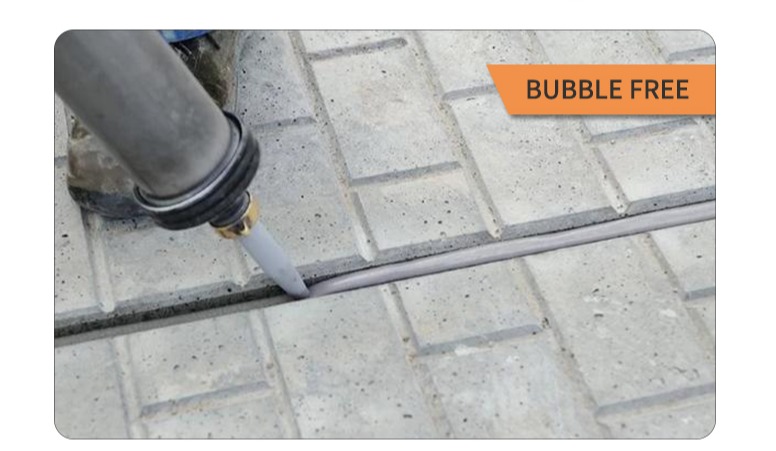
Construction method of polyurethane sealant:
1. Remove the excess concrete in the expansion joints, as well as the excess foam, sundries, gravel, etc. in the joints, and then use a broom or blower to blow away the sundries and dust in the expansion joints and nearby concrete to ensure that Clean and dry inside the expansion joint.
2. Select the appropriate foam lining and put it into the expansion joint. The width of the foam lining should be greater than the width of the seam, so that it can maintain sufficient supporting force and ensure the molding standard of the sealing material after hard drying.
3. After the lining strip is installed, cover the board surface around the seam with tape to prevent the caulking glue from polluting the board surface during construction.
4. After the protection is completed, apply the interface agent on the inside of the expansion joint. The application should be uniform and the thickness of the application layer should be moderate.
5. After the surface of the interface agent is dry, slowly inject the caulking material into the expansion joint with a glue gun, and then smooth the surface with a spatula.
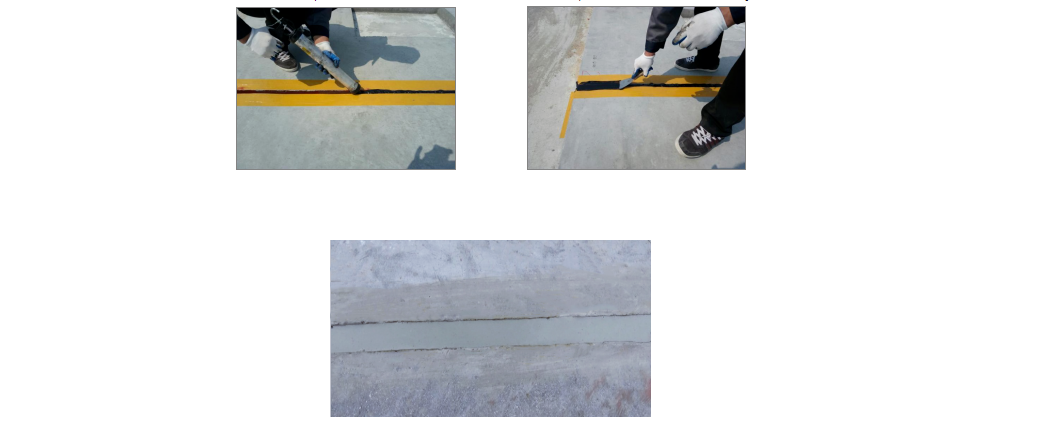
Related Articles
Quality Control in Sealant & Waterproof Coating Manufacturing | From Raw Materials to Finished Products
What Is No More Nails? No More Nails vs Silicone Sealant Explained
Silicone Sealant Yellowing: How to Avoid Discoloration in Clear Caulk
What Is No More Nails? Uses, Strength & How to Apply It
Floor Adhesives: A Comparative Guide to Acrylic, MS, and Polyurethane
You May Also Like
-
top Reco Quality Control in Sealant & Waterproof Coating Ma...

-
top Reco What Is No More Nails? No More Nails vs Silicone S...
nail free glue 
-
top Reco Silicone Sealant Yellowing: How to Avoid Discolora...
silicone sealant 
-
top Reco Which sealant is more mold resistant polyurethane ...
silicone sealant acrylic sealant pu sealant 
-
MS Polymer Wood Flooring Adhesive: Product Selecti...

-
Polyurethane waterproof concrete sealant Types: 1K...
construction materials Polyurethane sealant Factory & Manufacturer 
 Tina
Tina Tina
Tina
