

English
- English
- Русский
TENGYU DYNAMIC
Specializing in silicone adhesive and sealant research and development, production, sales in one of the national high-tech enterprises

What is the common knowledge about wood glue?
2023-12-25 09:49:14
Click:
“
Wood glue, as the name suggests, is an adhesive used in wood construction, and wood construction cannot be separated from adhesives. Therefore, we need to have some understanding of the adhesives used in wood construction. This will also give us Be confident when doing carpentry construction.
”
Wood glue will be widely used in the carpentry construction process. As owners, it is best for us to have a general understanding of wood glue, so that we can be confident during the wood construction, so that we can make the most of our home decoration. The carpentry construction phase was successfully completed.
Wood glue, as the name suggests, is an adhesive used in wood construction, and wood construction cannot be separated from adhesives. Therefore, we need to have some understanding of the adhesives used in wood construction. This will also give us Be confident when doing carpentry construction.
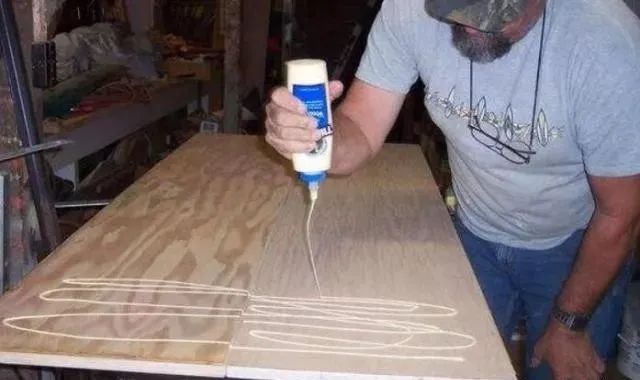
Types of wood glue
1. wood glue
wood glue is specially used for bonding various indoor wood products and furniture. It is milky white and can be cleaned with water when it is not dry. It will be transparent after drying. Non-toxic, does not pollute wood.
It can bond all kinds of rough wood, cloth, paper, leather and other materials (cannot bond MDF boards). Wooden handicrafts include bonding or repairing furniture, wooden frames, various wooden stools, wooden wine racks, wooden cabinets and broken wood, etc.
2. Outdoor wood glue
Exterior carpentry glue is industrial grade white latex. It can be cleaned with water when it is still wet. When it dries, it becomes translucent, can be polished, non-toxic, paintable and waterproof. MDF board can be bonded. Heat-resistant up to 110°C, it is specially used for bonding various wood products in wood or manufacturing plants.
Suitable for bonding various soft and hard wood, MDF medium density fiberboard, fireproof board, particle board and other materials as well as various indoor furniture, wood and other bonding work.
3. Polyurethane wood glue
Polyurethane wood glue is an advanced wood adhesive. It is brown in color, turns light yellow after drying, and shrinks, so it can also bond/fill small cracks. Non-toxic, pressure resistant, acid and alkali resistant (wood glue will reduce its bonding strength when exposed to acid and alkali). After drying, it can be sanded, dyed, and painted, and is heat-resistant up to 140°C.
Suitable for bonding indoor and outdoor wood, glass, MDF board, metal, cement, porcelain, most plastic products, and can bond wood to all materials.
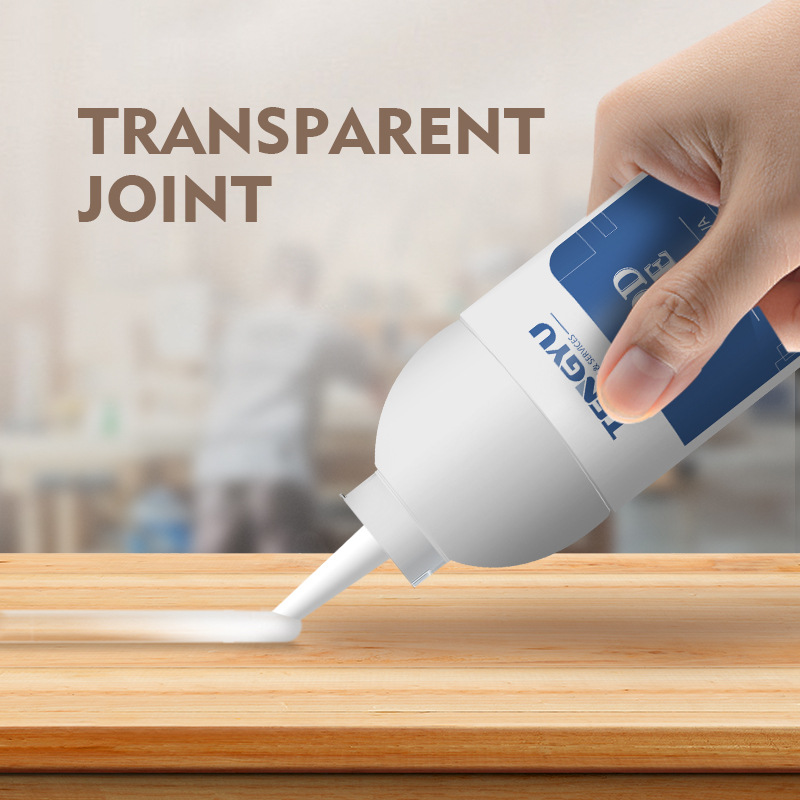
How to use wood glue?
1. Temperature
In different seasons, it is necessary to measure the working environment temperature and wood surface temperature in real time. The temperature up and down, to a certain extent, determines the speed of the cross-linking reaction of the panel glue.
There is a close relationship between the surface temperature of the wood and the holding time of the panels.
The use time of puzzle glue is different at different temperatures: in summer, the mixed puzzle can be used for 30 minutes (that is, the sooner it is used up, the better); in winter, the mixed puzzle can be used for 30 minutes. The glue can be used for 60 minutes.
2. Mixing glue
The main agent and curing agent should be mixed strictly according to the weight ratio of 100:15, and should be fully stirred evenly.
The mixed panel glue should be used within the time at your disposal.
When mixing glue, it is strictly forbidden to mix wood chips, dust and other impurities or add water.
It is strictly prohibited for the main agent and curing agent to mix with each other before use.
After removing the glue, please pay attention to sealing and storing it.
3. Moisture content of wood
After the dried wood regains moisture naturally, the moisture content should be controlled within 7-12%.
When the moisture content of wood is less than 7%, it may cause the wood to be too permeable and permeable, causing the bonding surface to lack glue and lead to cracking.
If the moisture content of the wood is too high, it will directly lead to poor penetration and permeability, making it difficult to form glue nails, and incomplete cross-linking, which may cause sealants opening.
The critical moisture content difference of wood should be controlled within 3%.
4. Wood processing accuracy
The wood processing accuracy should be within 0.15mm.
The bonding surface of the wood should be free of processing defects such as "gnawing at the beginning and ending at the end".
The wood is well squared.
The wood bonding surface should be free of "planing marks, saw marks, charring" and other phenomena.
It is strictly prohibited to use wood that has been contaminated by grease, dust, etc. for bonding.
The above is our introduction to wood glue. I hope you can use it in future wood construction. Carpentry construction is an important part of our home decoration process. Understanding every aspect of it will play a good role in promoting the smooth progress of our decoration.
Related Articles
Quality Control in Sealant & Waterproof Coating Manufacturing | From Raw Materials to Finished Products
What Is No More Nails? No More Nails vs Silicone Sealant Explained
Silicone Sealant Yellowing: How to Avoid Discoloration in Clear Caulk
What Is No More Nails? Uses, Strength & How to Apply It
Floor Adhesives: A Comparative Guide to Acrylic, MS, and Polyurethane
You May Also Like
-
top Reco Quality Control in Sealant & Waterproof Coating Ma...

-
top Reco What Is No More Nails? No More Nails vs Silicone S...
nail free glue 
-
top Reco Silicone Sealant Yellowing: How to Avoid Discolora...
silicone sealant 
-
top Reco Which sealant is more mold resistant polyurethane ...
silicone sealant acrylic sealant pu sealant 
-
MS Polymer Wood Flooring Adhesive: Product Selecti...

-
Polyurethane waterproof concrete sealant Types: 1K...
construction materials Polyurethane sealant Factory & Manufacturer 
 Tina
Tina Tina
Tina
