

English
- English
- Русский
TENGYU DYNAMIC
Specializing in silicone adhesive and sealant research and development, production, sales in one of the national high-tech enterprises

What are the precautions for silicone sealant?
2023-12-26 09:29:42
Click:
“
When the sealant is improperly selected or has quality problems, it will lead to a series of problems. Therefore, when choosing a sealant, everyone must consider whether the sealant meets relevant standards.
”
1. What are the causes of bonding failure between silicone sealant and substrate?
We need to analyze the bonding failure from the following aspects: (1) Check whether the silicone sealant has been tested for adhesion to the base material in advance; (2) Whether the base material is cleaned in place; (3) Maintenance after application Whether the time meets the requirements, the curing time needs to be extended at low temperatures; (4) When primer needs to be applied on site, whether the primer is appropriate; (5) Whether the gluing operation is performed under extreme conditions.
2. How is the weather resistance of silicone structural sealant? Can it be directly exposed to the atmosphere?
Silicone structural sealants are all organic silicone sealants. Their main chain structure is -Si-O- bonds. They have very good weather resistance and durability and can be used outdoors for a long time.
3. We often encounter the problem of sealant cracking during projects. What causes it?
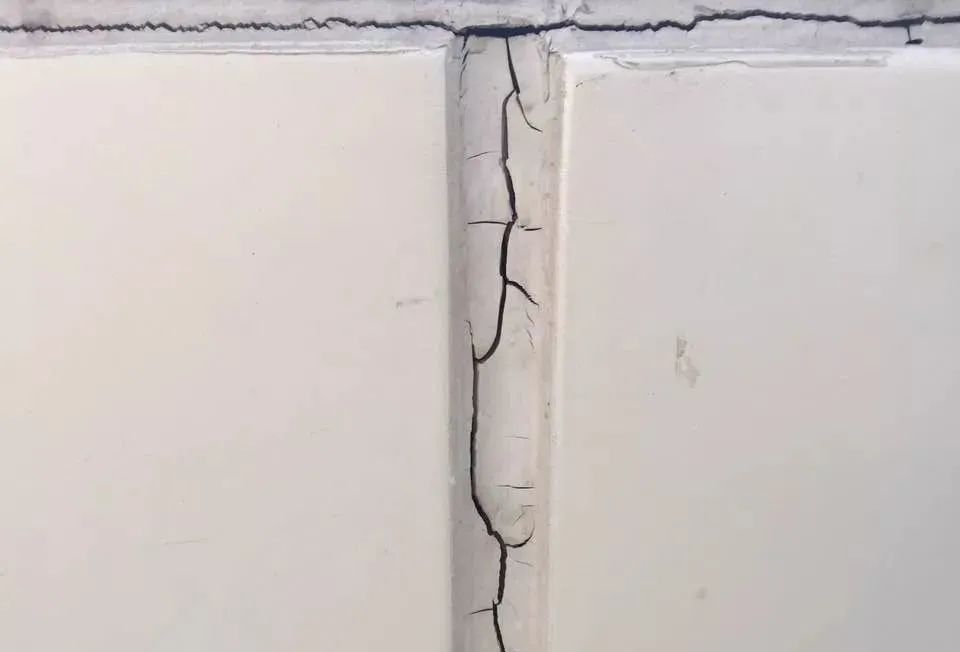
There are many reasons for cracking of sealants on projects, mainly the following reasons: (1) Organic sealants such as polysulfide rubber and polyurethane sealant are not resistant to aging and cracking; (2) Inferior silicone sealants harden and crack on their own; (3) If the sealant is too thick or too thin during gluing, it will easily crack due to stress.
4. What are the reasons for irregular blistering on the surface of on-site weather-resistant adhesive?
The main causes of blistering problems are as follows: (1) Environmental reasons: ① When the sealant is injected, the joints are moist and the foam rods and other accessories are damp, which makes blistering more likely; ② When the surface temperature of the base material is too high during the sealant application, it will Causes sealant bubbles; (2) Reasons for manual operation: ① Discontinuity or the moving speed of the sealant gun is inconsistent with the sealant dispensing speed, resulting in uneven sealant application, which is easy to entrap some air and form hollow bubbles; ② Improper construction, resulting in closed The surface of the porous foam rod ruptures and the foam rod releases gas.
5. What is the reason for contamination at the edges of stone joints after using sealant?
Since stone is a porous material, if the selected sealant still contains a large amount of liquid components (polymers, plasticizers, etc.) after reaction, it will penetrate into the pores of the stone due to capillary effect and cause pollution.
6. There are bubbles in the two-component mixture. Why?
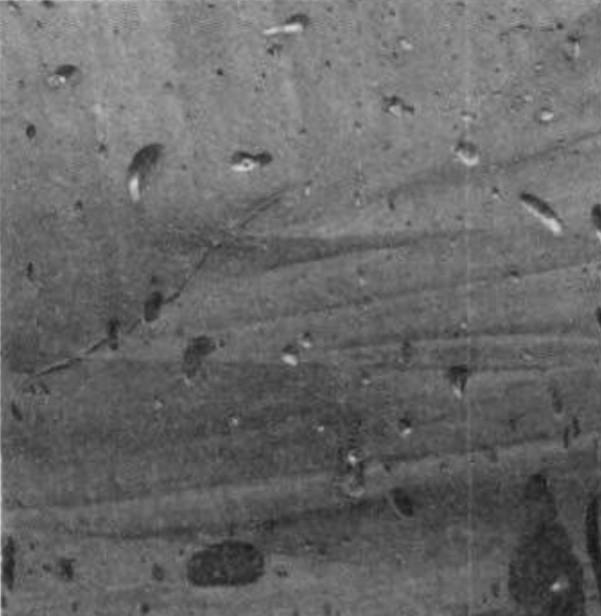
When the two-component sealant is mixed by hand or machine without vacuuming, there will definitely be bubbles in the colloid; if a two-component sealant machine is used, the air in the middle and upper part of the bucket is not discharged after changing the bucket, and the air will flow with the sealant when the sealant is applied. When the sealant is applied together, tiny bubbles will also be formed in the colloid; air leakage in the pipeline of the sealant application equipment will sometimes introduce bubbles.
Related Articles
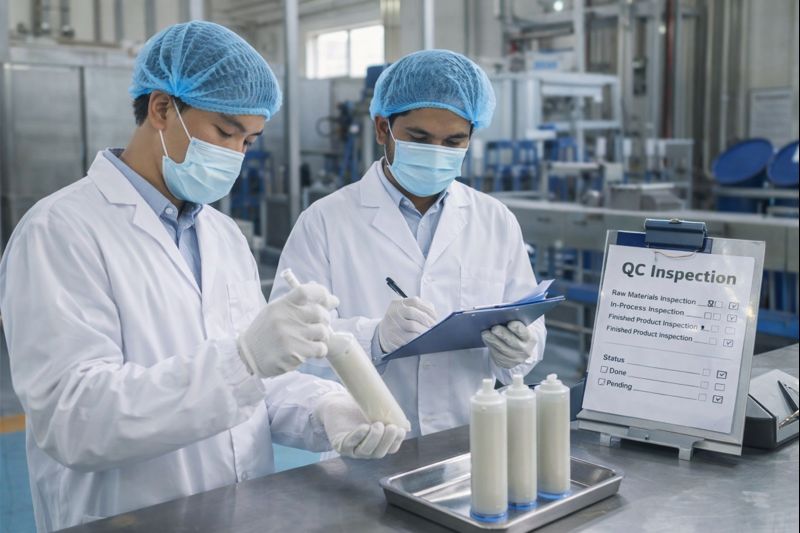
Quality Control in Sealant & Waterproof Coating Manufacturing | From Raw Materials to Finished Products
What Is No More Nails? No More Nails vs Silicone Sealant Explained
Silicone Sealant Yellowing: How to Avoid Discoloration in Clear Caulk
What Is No More Nails? Uses, Strength & How to Apply It
Floor Adhesives: A Comparative Guide to Acrylic, MS, and Polyurethane
You May Also Like
-
top Reco Quality Control in Sealant & Waterproof Coating Ma...

-
top Reco What Is No More Nails? No More Nails vs Silicone S...
nail free glue 
-
top Reco Silicone Sealant Yellowing: How to Avoid Discolora...
silicone sealant 
-
top Reco Which sealant is more mold resistant polyurethane ...
silicone sealant acrylic sealant pu sealant 
-
MS Polymer Wood Flooring Adhesive: Product Selecti...

-
Polyurethane waterproof concrete sealant Types: 1K...
construction materials Polyurethane sealant Factory & Manufacturer 
 Tina
Tina Tina
Tina
