

English
- English
- Русский
TENGYU DYNAMIC
Specializing in silicone adhesive and sealant research and development, production, sales in one of the national high-tech enterprises

Acetic silicone sealant & neutral silicone sealant, which one should you choose when purchasing?
2023-12-27 09:30:07
Click:
“
Sealant is a common adhesive with relatively good results, but items bonded with sealant need to be completely dry before use. Sealant, also called silicone sealant, is divided into two types: acetic and neutral.
”
Acetic silicone sealant & neutral silicone sealant, which one should you choose when purchasing?
Sealant is a common adhesive with relatively good results, but items bonded with sealant need to be completely dry before use. Sealant, also called silicone sealant, is divided into two types: acetic and neutral. Neutral silicone sealant can be divided into curtain wall structural sealant, curtain wall weather-resistant sealant, door and window sealant, stone sealant, anti-mildew sealant, fireproof sealant, insulating glass sealant, etc.
Acetic sealant has very good elasticity and adhesion. It has a wide range of uses and can be used to bond most decorative building materials, such as glass products, aluminum materials, oil-free wood, etc. However, it should be noted that aceticic silicone sealant cannot be used to stick to alkaline building materials such as ceramics and marble. Otherwise, the substances in the aceticic silicone sealant will react with the alkaline substances in the building materials, thus affecting the decoration quality of the building materials. (has a certain pungent smell)
the difference:
Acetic sealant has very good elasticity and adhesion. It has a wide range of uses and can be used to bond most decorative building materials, such as glass products, aluminum materials, oil-free wood, etc. However, it should be noted that aceticic silicone sealant cannot be used to stick to alkaline building materials such as ceramics and marble. Otherwise, the substances in the aceticic silicone sealant will react with the alkaline substances in the building materials, thus affecting the decoration quality of the building materials. (has a certain pungent smell)
Neutral sealant is suitable for weather-resistant sealing of various curtain walls, and is especially recommended for weather-resistant sealing of glass curtain walls, aluminum-plastic panel curtain walls, and dry-hanging stone; joint sealing between metal, glass, aluminum, ceramic tiles, organic glass, and coated glass; Seam sealing of concrete, cement, masonry, rock, marble, steel, wood, anodized and painted aluminum surfaces. In most cases there is no need to use primer.
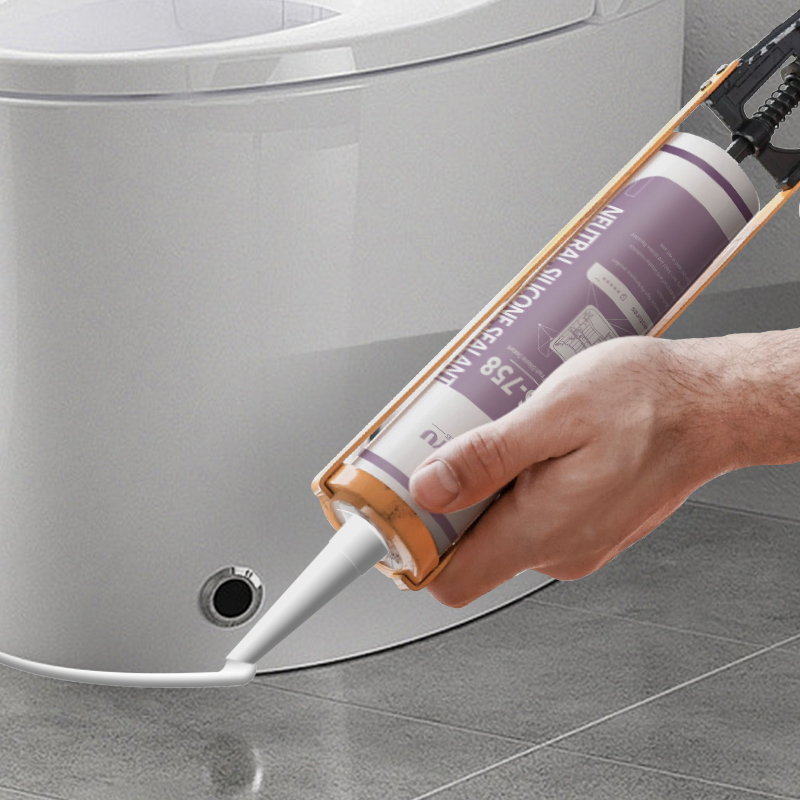
Generally speaking, bathroom basins and toilets, and kitchen countertops should choose glass sealant with anti-mold properties, which can be aceticic or neutral; metal ceilings, shower rooms, and mirrors should choose anti-mold and neutral glass sealant. , and aceticic ones cannot be used; weather-resistant neutral glass sealant should be used for hoods, stoves, and windows. Fish tanks have very high requirements for the waterproofing and bonding properties of glass sealant, so high-grade acetic sealants should be used.
Generally, the packaging of most silicone sealants will indicate the materials they are suitable for bonding, or proactively inform the merchant of the specific usage scenarios of the sealant, and you will generally receive reasonable purchasing advice.
Related Articles
Quality Control in Sealant & Waterproof Coating Manufacturing | From Raw Materials to Finished Products
What Is No More Nails? No More Nails vs Silicone Sealant Explained
Silicone Sealant Yellowing: How to Avoid Discoloration in Clear Caulk
What Is No More Nails? Uses, Strength & How to Apply It
Floor Adhesives: A Comparative Guide to Acrylic, MS, and Polyurethane
You May Also Like
-
top Reco Quality Control in Sealant & Waterproof Coating Ma...

-
top Reco What Is No More Nails? No More Nails vs Silicone S...
nail free glue 
-
top Reco Silicone Sealant Yellowing: How to Avoid Discolora...
silicone sealant 
-
top Reco Which sealant is more mold resistant polyurethane ...
silicone sealant acrylic sealant pu sealant 
-
MS Polymer Wood Flooring Adhesive: Product Selecti...

-
Polyurethane waterproof concrete sealant Types: 1K...
construction materials Polyurethane sealant Factory & Manufacturer 

 Tina
Tina Tina
Tina
