

English
- English
- Русский
TENGYU DYNAMIC
Specializing in silicone adhesive and sealant research and development, production, sales in one of the national high-tech enterprises

How to ensure effective bonding of silicone sealants?
2024-05-13 09:02:09
Click:
“
In actual use of silicone sealant, the bonding performance is one of its most basic and important properties. It is related to the durability of the seal and even the safety of the building components. It requires the interface interaction between the silicone sealant and the adhere to produce good adhesion. So what are the main factors that affect the bonding of silicone sealant to the substrate?
”
1.Choose the right sealant
Since the invention of silicone sealant, after nearly 80 years of development, the types of silicone sealant have been very rich. When choosing a sealant, the compatibility between the sealant and the base material should be given top priority. It needs to be based on the different base materials. Choose the right sealant. Some sealants will react with the substrate and corrode the substrate; some substrates themselves avoid silicone sealant and cannot bond.
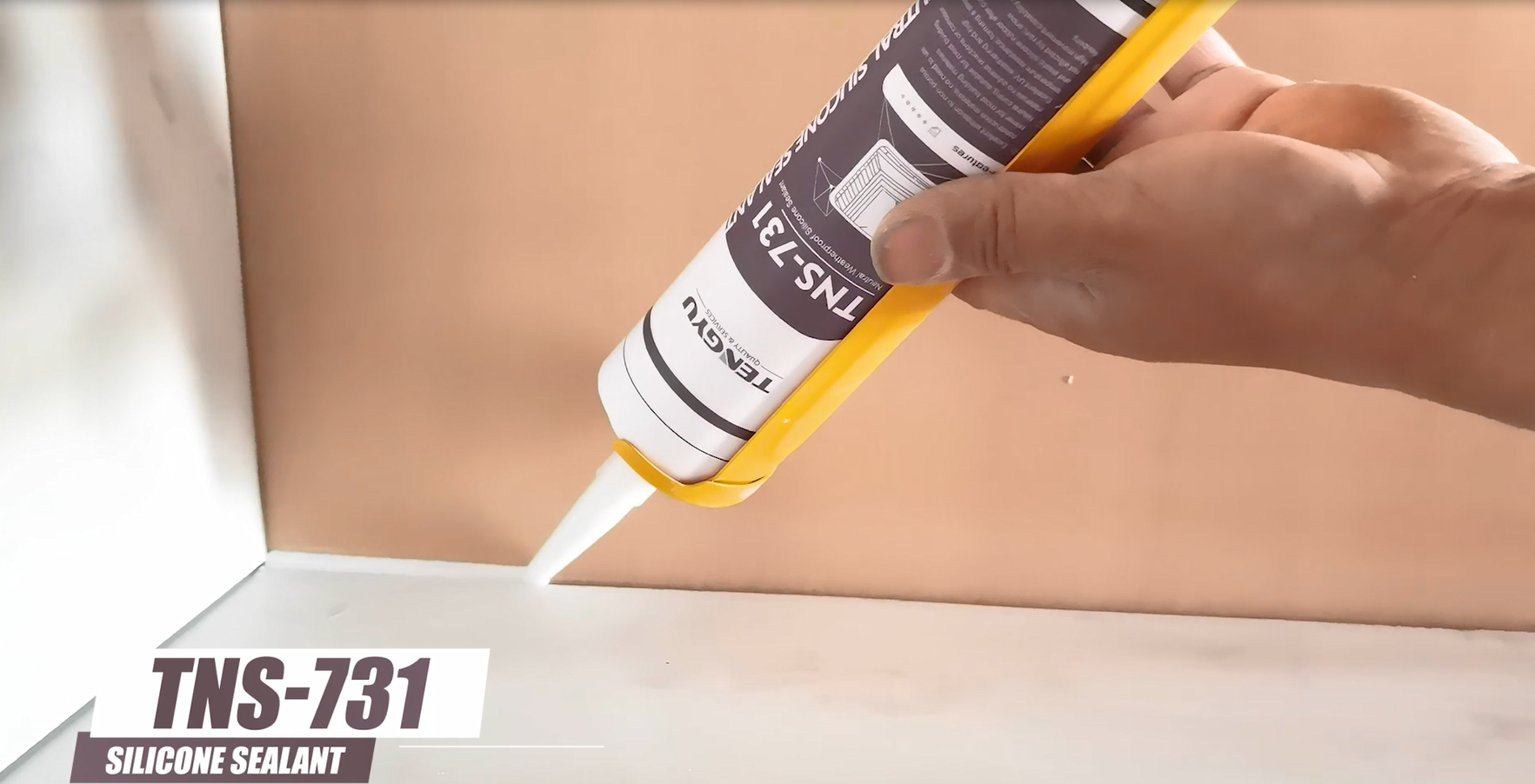
2. A clean substrate surface is very important
The presence of dust and dirt will reduce the contact area between the sealant and the base material surface, which may cause stress concentration when subjected to force, thereby causing the sealant to be destroyed in advance; oil stains may cause the sealant to dissolve and fail; rain, snow and frost may cause Sealant will not bond. Therefore, try to clean the base material before applying sealant and let it be clean and dry so that the sealant can fully bond.
3. Apply primer if necessary
Usually silicone sealants have good adhesion to metals, but with the advancement of technology, surface treatment methods for aluminum profiles emerge in endlessly. Even similar building aluminum profiles produced by different manufacturers will exhibit different levels of technology or production control. There is a significant difference in adhesion. Don't panic when this happens, the primer comes in at the critical moment. Primer, also known as primer, is composed of different solvents and coupling agents. For aluminum profiles, the solvent has a certain cleaning ability, and the coupling agent modifies the surface of the profile, thus enhancing the sealant and profile. the bonding force between them.
4. The sealant joint setting should be reasonable
When applying sealant, in addition to paying attention to the reasonable sealant width and sealant depth, you must also avoid three-sided bonding. This is because three-sided bonding will seriously affect the displacement ability of the sealant, causing excessive internal stress and cracking.
5. Protect until fully cured
No matter what kind of sealant it is, it is very fragile when it is not fully cured. After it is fully cured, its durability and weather resistance are very strong, and various excellent properties can be exerted. Therefore, during the period from gluing to complete solidification, stress on the sealant should be avoided as much as possible.
Related Articles
Quality Control in Sealant & Waterproof Coating Manufacturing | From Raw Materials to Finished Products
What Is No More Nails? No More Nails vs Silicone Sealant Explained
Silicone Sealant Yellowing: How to Avoid Discoloration in Clear Caulk
What Is No More Nails? Uses, Strength & How to Apply It
Floor Adhesives: A Comparative Guide to Acrylic, MS, and Polyurethane
You May Also Like
-
top Reco Quality Control in Sealant & Waterproof Coating Ma...

-
top Reco What Is No More Nails? No More Nails vs Silicone S...
nail free glue 
-
top Reco Silicone Sealant Yellowing: How to Avoid Discolora...
silicone sealant 
-
top Reco Which sealant is more mold resistant polyurethane ...
silicone sealant acrylic sealant pu sealant 
-
Hydrophilic Waterstop Polyurethane Sealant for Con...

-
MS Polymer Wood Flooring Adhesive: Product Selecti...

 Tina
Tina Tina
Tina
