

English
- English
- Русский
TENGYU DYNAMIC
Specializing in silicone adhesive and sealant research and development, production, sales in one of the national high-tech enterprises

How to avoid cracking of silicone sealant?
2024-09-20 14:06:01
Click:
“
After the silicone sealant is completely cured for a period of time, it may crack due to itself or external forces, which directly affects the bonding and sealing effect of the sealant. Adhesion and sealing are very important for the use of silicone sealant. Generally, there are three states of sealant cracking: cohesive failure in the middle crack, adhesive failure with cracks on the bonding surfaces at both ends, and mixed failure of the two.
”
The main reasons for cracking of silicone sealant:
1. Unreasonable joint design, such as too narrow glue joint, difficult to apply glue; or non-standard glue application process, bonding and sealing are not in place.
2. Improper selection of sealant, displacement capacity cannot meet the use requirements of joint displacement.
3. The actual plate size installation deviation is too large.
4. The sealant shrinks severely during the early curing process, the joint deformation is too large, and the joint is displaced.
5. Three-sided bonding leads to limited displacement capacity of the sealant.
6. The thickness of the glue does not meet the requirements of the specification, it is too thin or the thickness is uneven, resulting in breakage or bonding failure during use.
7. The ambient temperature is too high or too low during construction, and the curing is stretched by external force, causing the colloid to crack and unable to form a round glue layer.
8. The sealant is not used within the validity period.
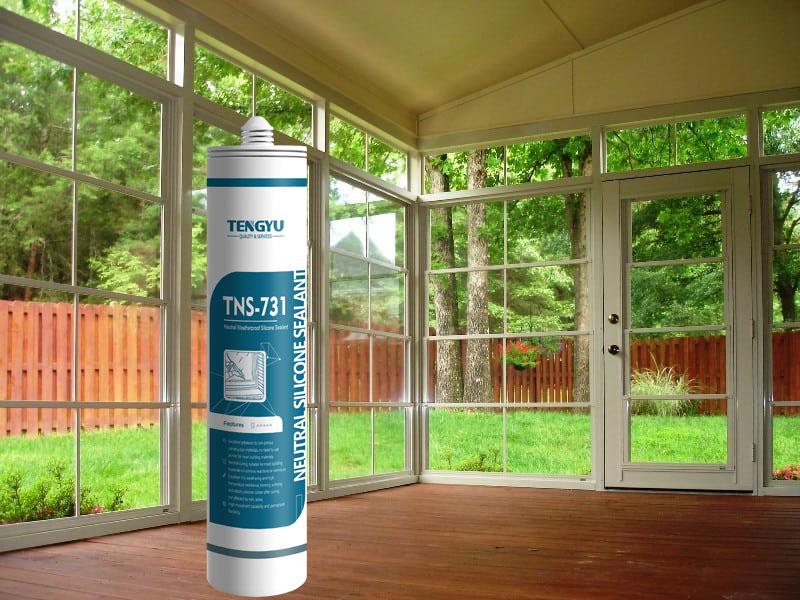
How to avoid colloid cracking
1. During construction, you must be familiar with the relevant construction substrates and substrate compatibility issues. Based on the construction purpose and goals, choose silicone sealants with good quality reputation and guaranteed quality from big brands.
2. Before construction, take a small amount of samples to conduct pre-construction compatibility tests to verify whether the compatibility between the sealant and the substrate is good and the bonding and sealing effects of the samples.
3 Before construction, clean and dewater the substrate in advance, and construction can only be carried out after the substrate is dry and clean. Ensure that the sealant can bond well with the substrate.
4. After applying the glue, ensure that the construction site has a good temperature and humidity environment, and ensure a good maintenance environment and sufficient maintenance time in the later stage.
Related Articles
Quality Control in Sealant & Waterproof Coating Manufacturing | From Raw Materials to Finished Products
What Is No More Nails? No More Nails vs Silicone Sealant Explained
Silicone Sealant Yellowing: How to Avoid Discoloration in Clear Caulk
What Is No More Nails? Uses, Strength & How to Apply It
Floor Adhesives: A Comparative Guide to Acrylic, MS, and Polyurethane
You May Also Like
-
top Reco Quality Control in Sealant & Waterproof Coating Ma...

-
top Reco What Is No More Nails? No More Nails vs Silicone S...
nail free glue 
-
top Reco Silicone Sealant Yellowing: How to Avoid Discolora...
silicone sealant 
-
top Reco Which sealant is more mold resistant polyurethane ...
silicone sealant acrylic sealant pu sealant 
-
Hydrophilic Waterstop Polyurethane Sealant for Con...

-
MS Polymer Wood Flooring Adhesive: Product Selecti...

 Tina
Tina Tina
Tina
